
How play-based learning helps children build confidence
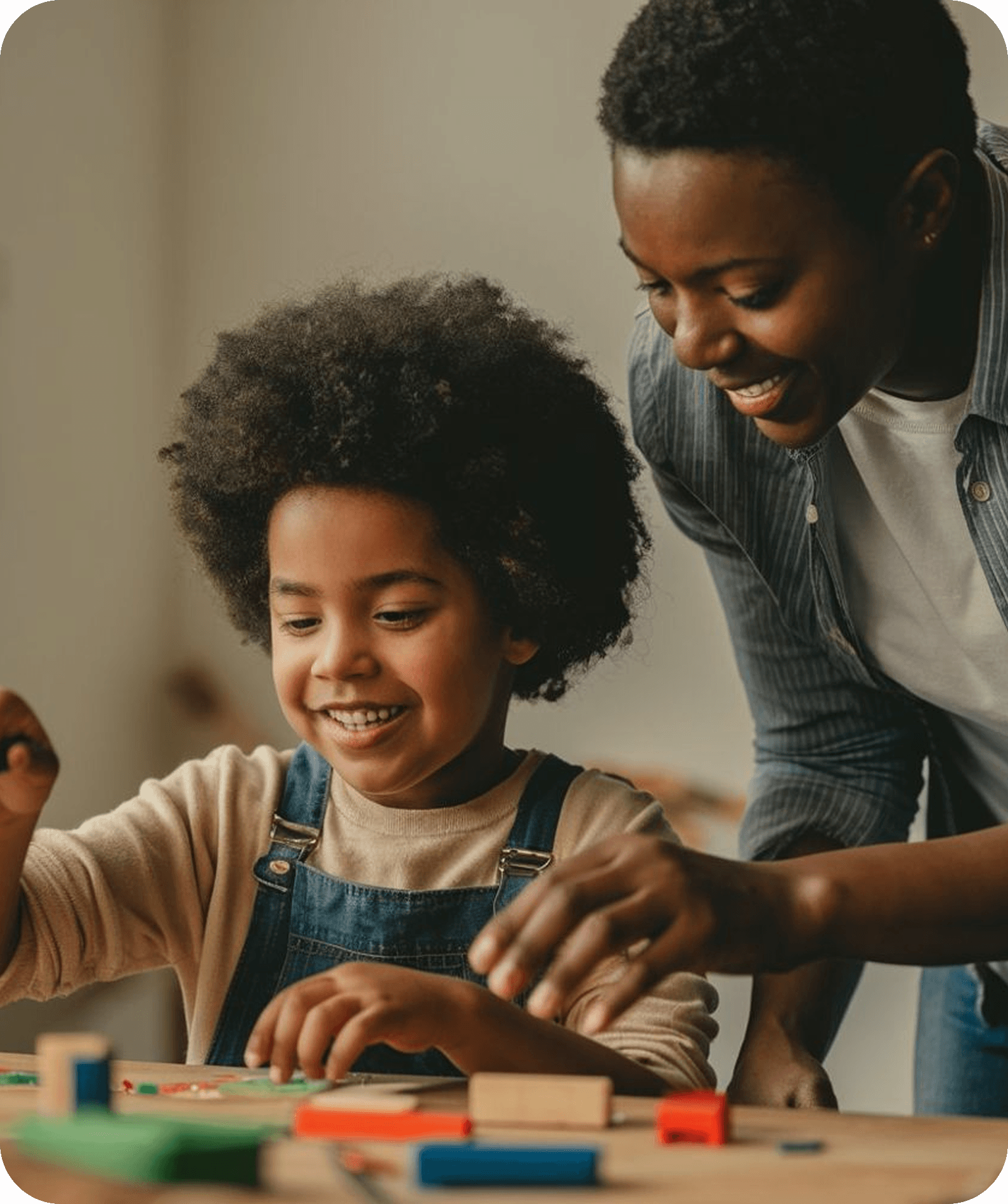
Confidence Grows Through Safe, Meaningful Exploration
Play-based learning gives children room to test ideas, solve problems, and express themselves without the pressure of getting everything right the first time. That freedom is especially powerful for children who need more support with regulation, communication, or transitions.
When learning feels playful, children are more willing to try, repeat, and recover from mistakes. They begin to trust their own abilities because the process feels inviting instead of demanding.
Confidence is rarely built through pressure alone. More often, it grows from repeated experiences of success, connection, and agency.
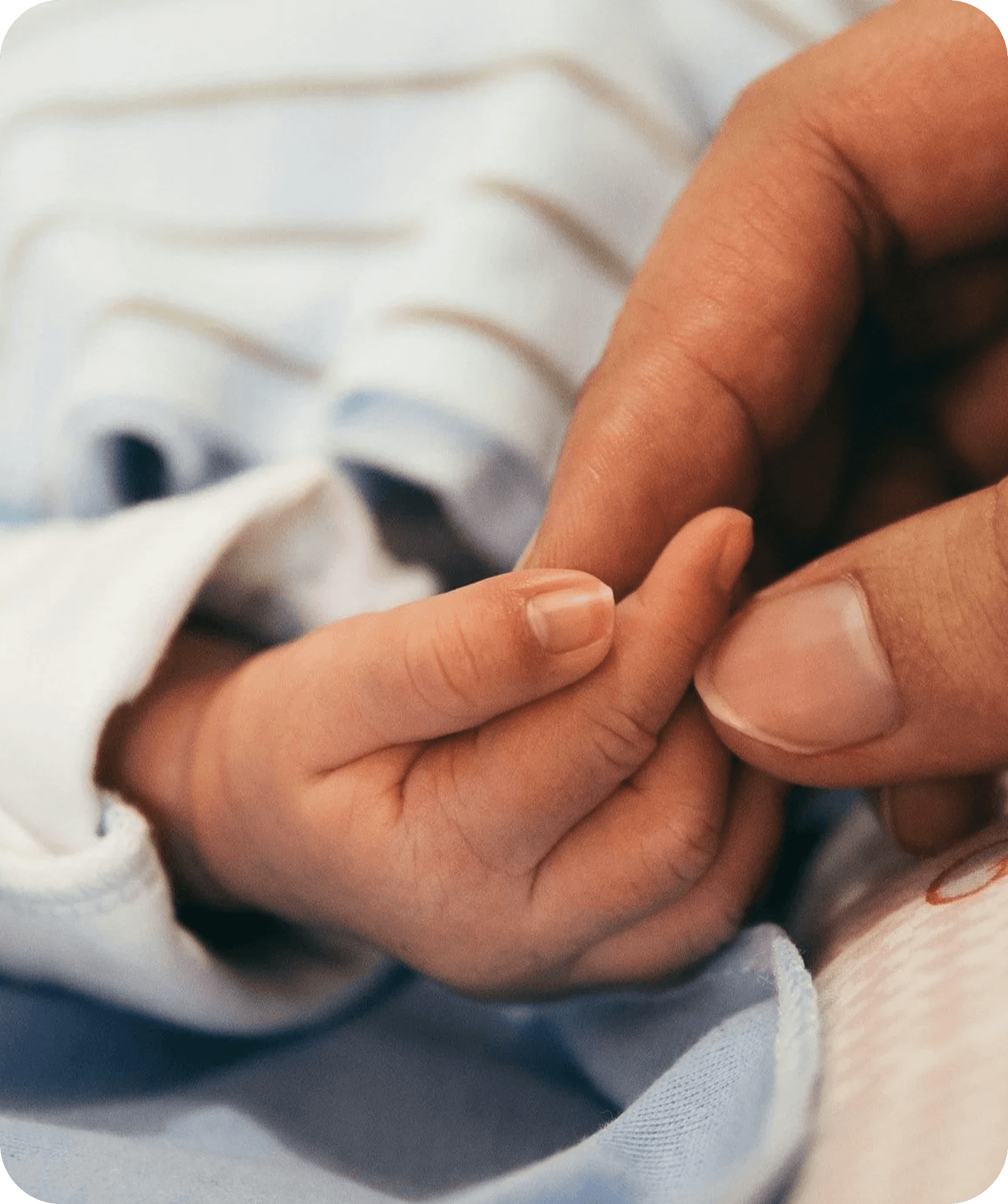
Play creates those experiences naturally. A child stacking blocks, role-playing a story, or moving through a sensory obstacle course is practicing planning, motor coordination, communication, and emotional flexibility all at once. The learning is real even when it feels informal.
This matters for self-esteem. Children who feel competent in play often become more willing to engage in structured learning too. They carry over that sense of “I can do this” into conversations, routines, and new environments.
When adults design play with intention, they are not lowering expectations. They are building a more accessible path toward independence, resilience, and joyful growth.