Understanding the Needs of Children on the Autism Spectrum
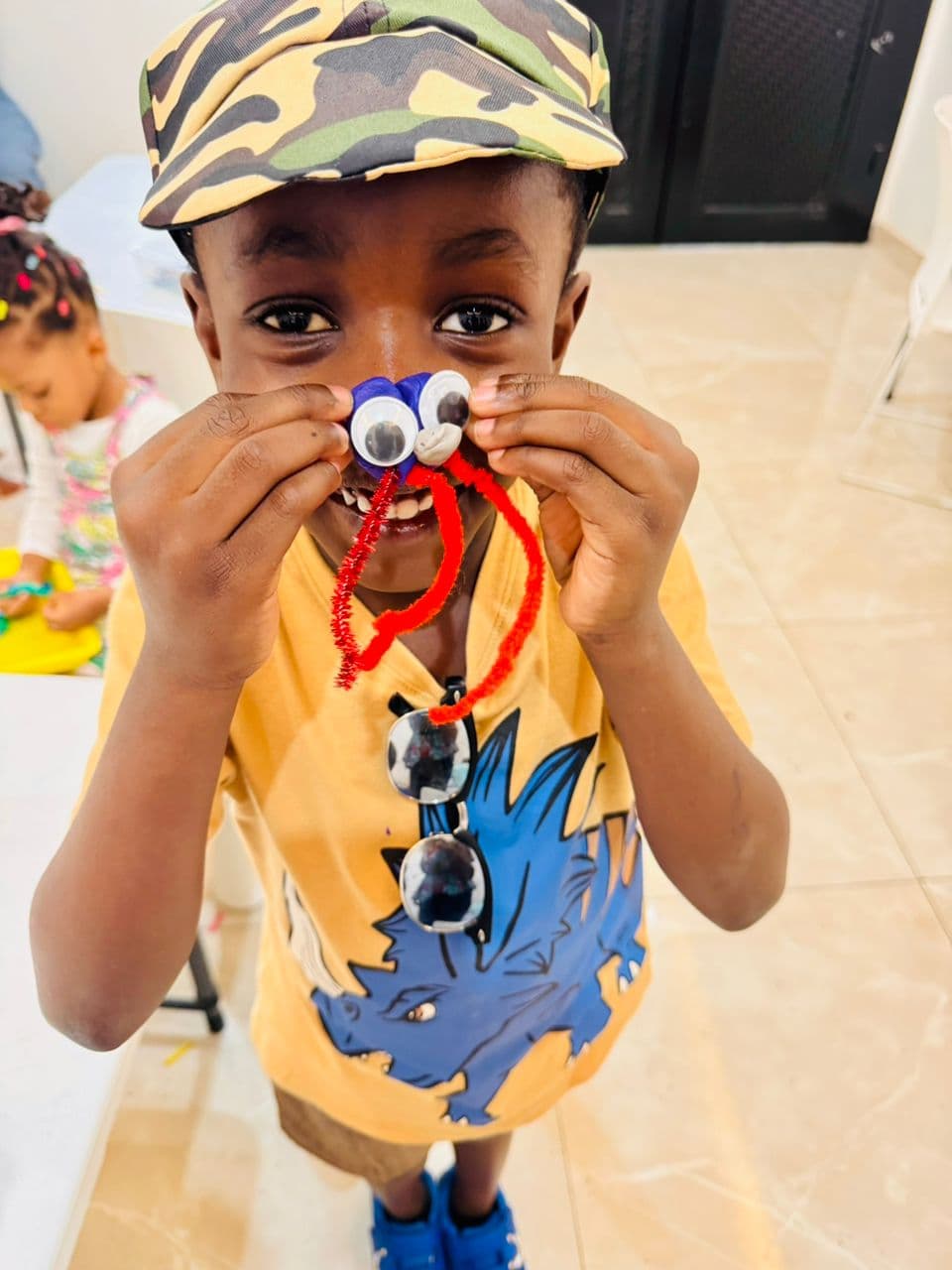
And Why Ghana Must Do Better
Children on the autism spectrum process the world differently, not incorrectly. Yet many early learning environments in Ghana are not built to support or even recognize their unique needs.
Some children may experience sensory sensitivities where loud sounds, bright lights, or unfamiliar textures feel overwhelming.
Others may communicate through gestures, sounds, or non-verbal cues, show repetitive behaviors for self-regulation, or struggle with transitions and social interactions without structure and support.
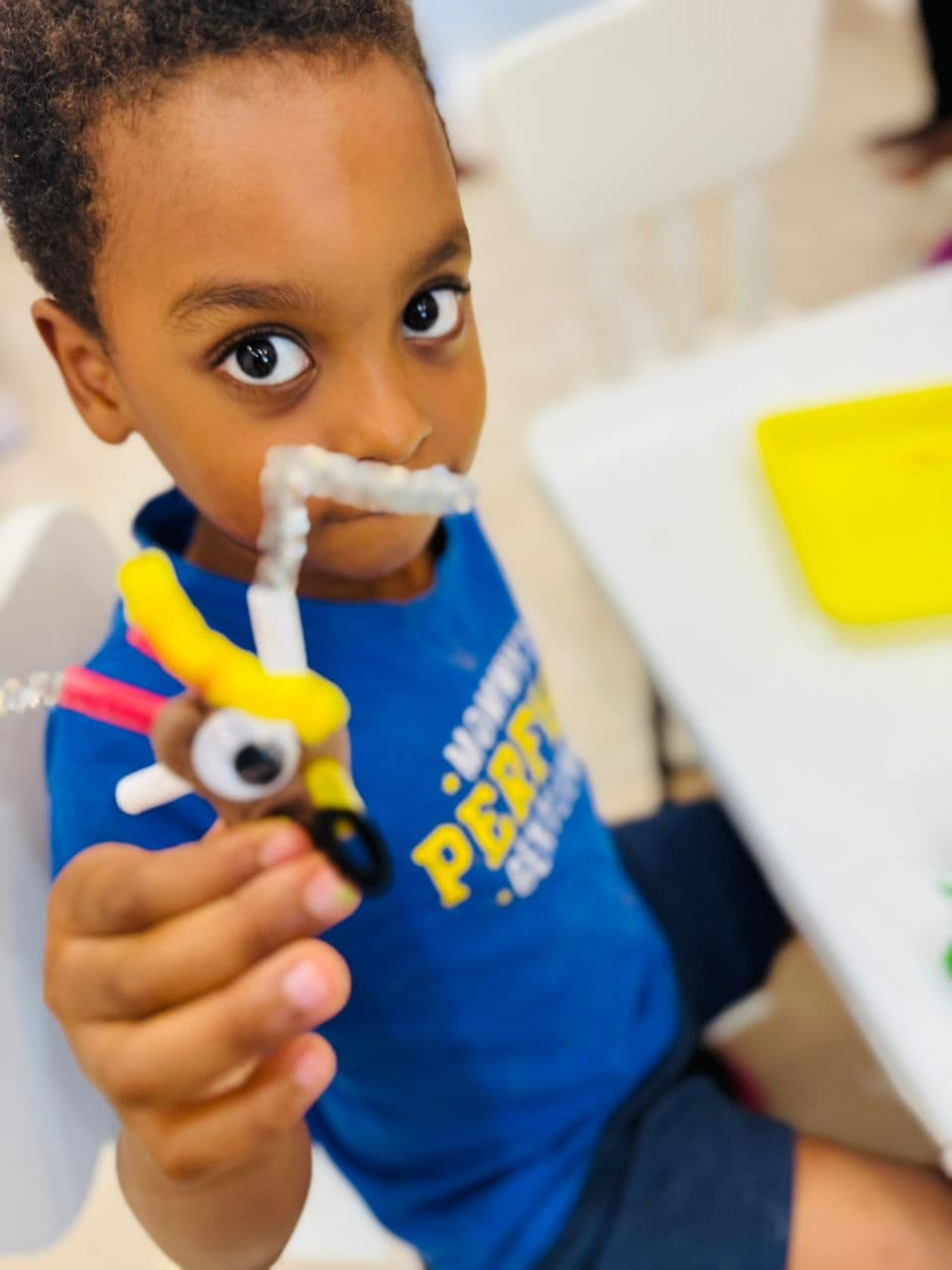
These are not deficits. They are differences. What is often missing is the right kind of environment.
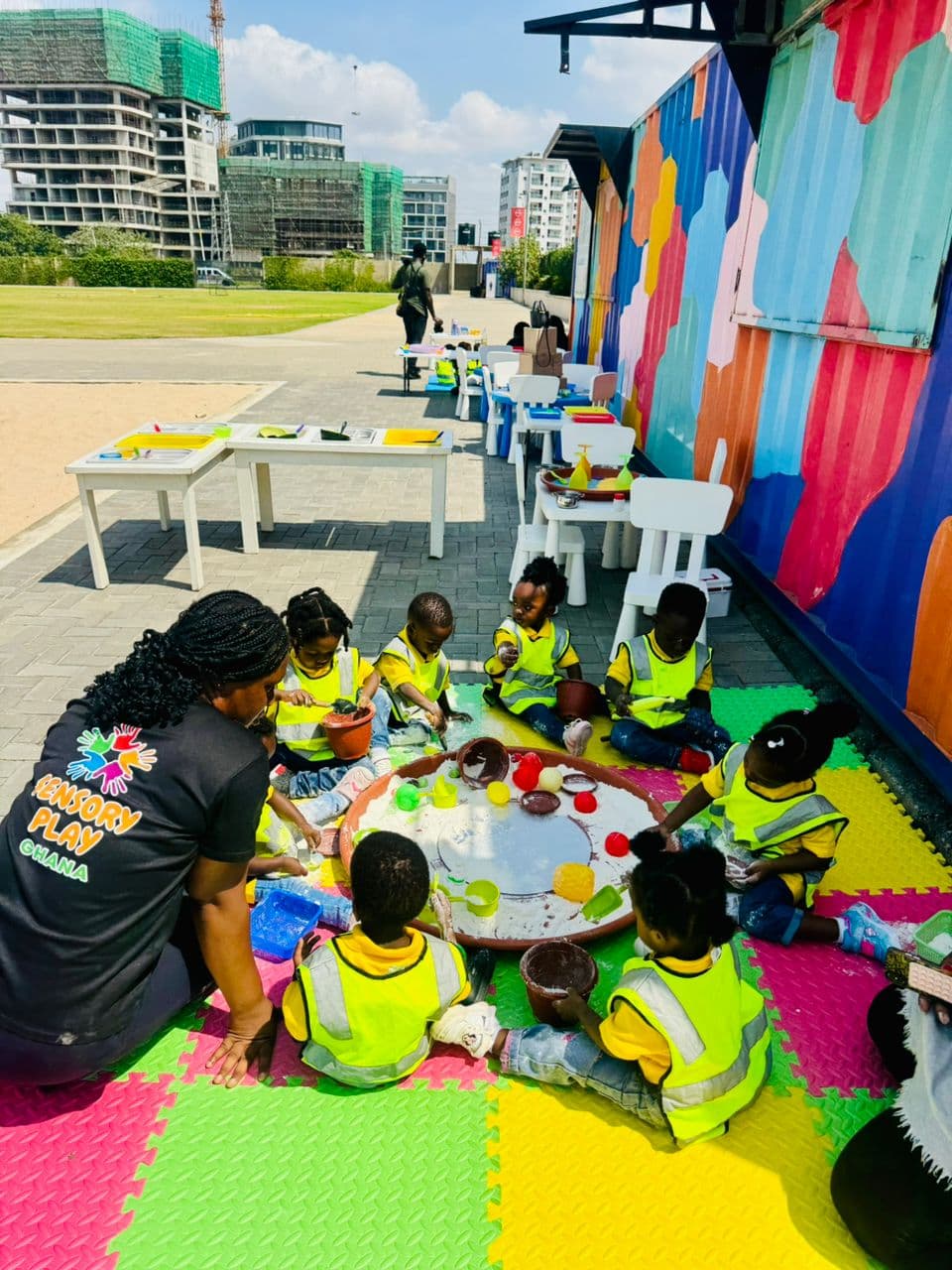
Play-based learning creates flexibility, self-expression, and sensory integration. It meets children where they are, without pressure to perform or catch up.
It also allows communication in many forms, not only spoken words. Children on the spectrum thrive when they feel safe, seen, and supported.
Practical next steps include expanding autism screening in public child-health services, running nationwide awareness campaigns, teaching inclusion and neurodiversity in schools, and improving access to therapies through stronger health and education partnerships.