Simple sensory routines that make transitions easier at home
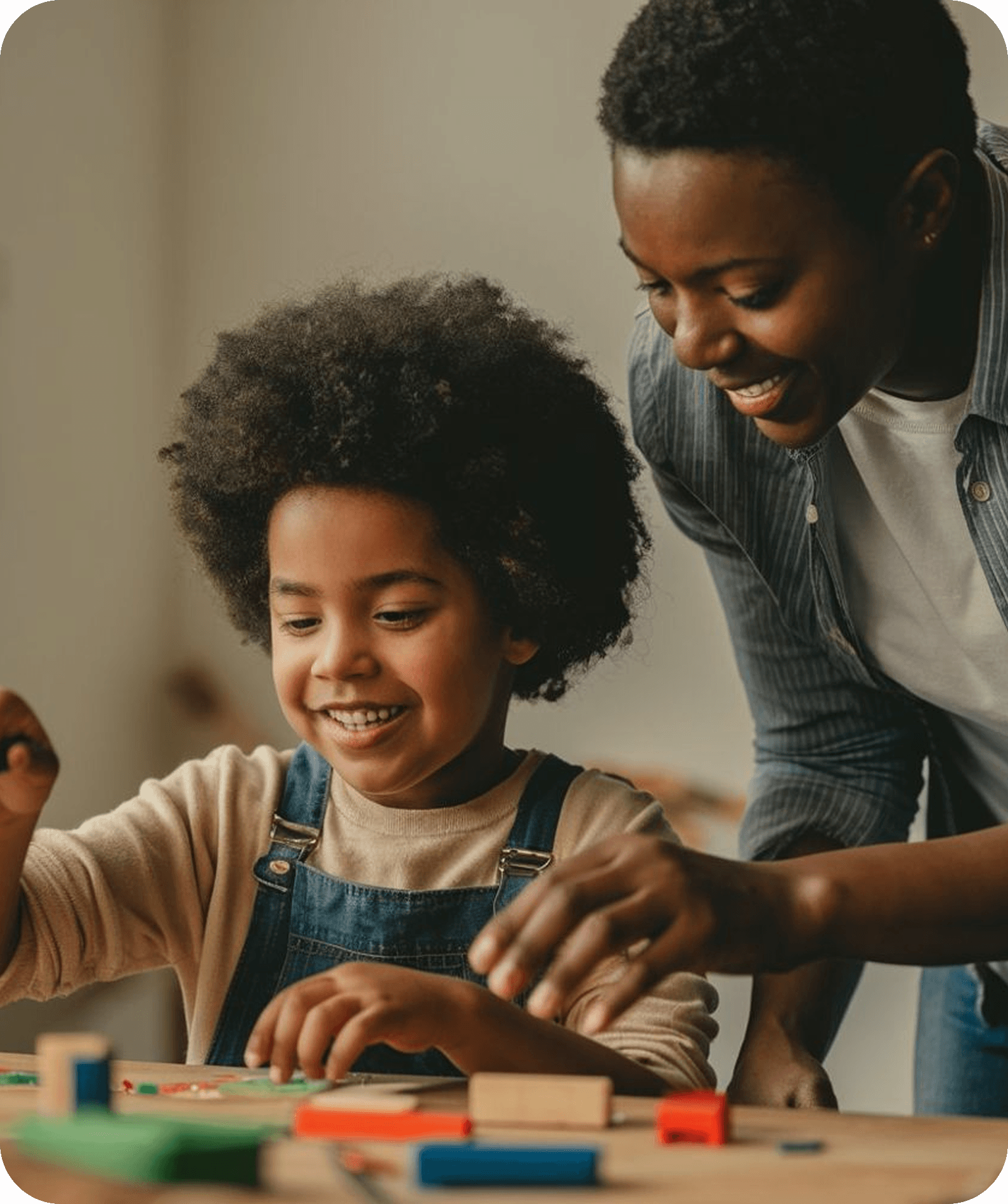
Transitions Improve When the Body Is Prepared First
Transitions can feel abrupt when a child’s body is not ready to shift gears. Sensory routines help bridge those moments by preparing the nervous system before the demand arrives.
A short movement sequence, a tactile activity, deep pressure, or a predictable song can all signal that one part of the day is ending and another is beginning.
These routines work best when they are easy to repeat and tied to real parts of family life.

For example, a child might bounce, carry a weighted basket, or do wall pushes before sitting for a meal or homework. Another child may need a quiet tactile bin and dimmer lighting after school before they can handle conversation or instructions.
The value is not in copying someone else’s exact routine. It is in noticing which forms of input help your child feel organised, grounded, and ready for what comes next.
When transitions become smoother, the whole household often feels less reactive. Small sensory rituals can create that shift surprisingly well.