Toddler Feeding & Nutrition: Why Small Portions Are Normal
Small Appetites, Healthy Bodies
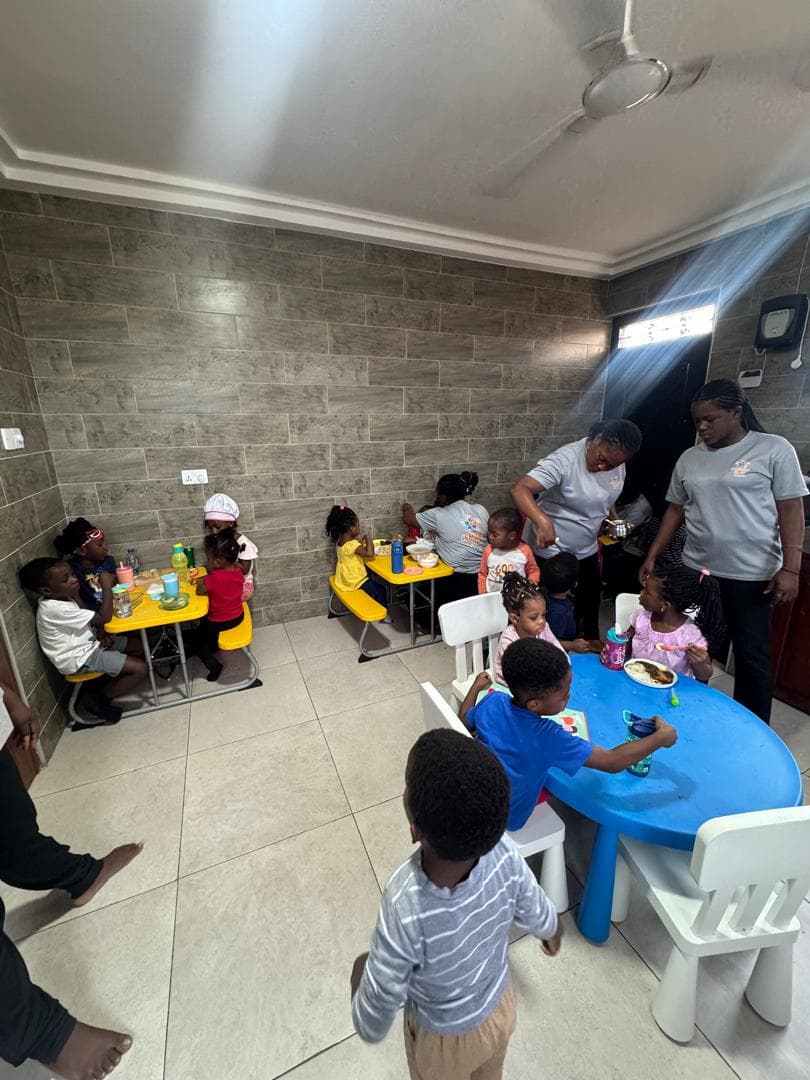
Many parents become concerned when their 2-year-old eats what seems like a very small amount of food. However, this is a normal stage of development.
Around the age of 2, a child's growth rate naturally slows compared to infancy. Because they are growing more slowly, their calorie needs and appetite also decrease. It is common for toddlers to eat a large meal one day and very little the next. Over the course of a week, most healthy toddlers naturally balance their intake.
Research also shows that toddlers are born with a remarkable ability to regulate their own hunger and fullness. This is why health professionals recommend responsive feeding — parents decide what, when, and where food is offered, while the child decides whether and how much to eat. Pressuring children to finish large portions can interfere with these natural hunger cues.
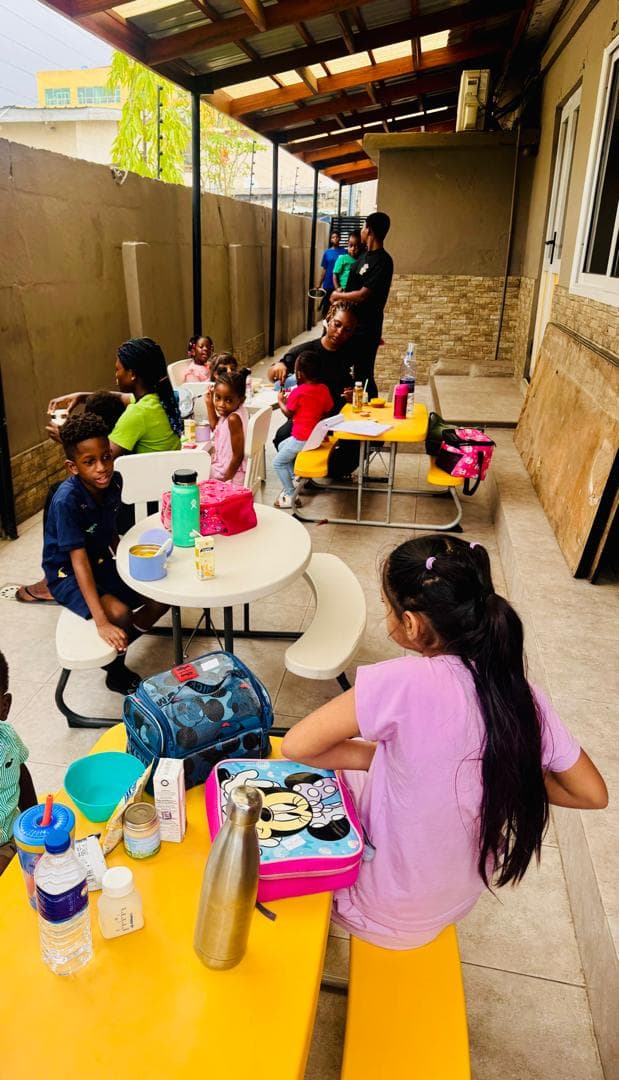
A helpful guideline is to serve small portions first — roughly 1 tablespoon of each food per year of age (about 2 tablespoons of each food for a 2-year-old). If your child is still hungry, you can always offer more. Smaller portions are less overwhelming and often encourage children to eat better.
Our recommendation: Please pack smaller, balanced meals rather than large portions. Focus on including a source of protein, a carbohydrate, fruit or vegetables, and healthy fats.
Remember, our goal is not for children to finish every bite, but to develop a healthy relationship with food by listening to their own bodies.
A small appetite at age 2 is usually a sign of normal development, not poor nutrition. If your child is growing well, active, and meeting developmental milestones, small portions are often exactly what their body needs.
References: World Health Organization – WHO Guideline for Complementary Feeding of Infants and Young Children (6–23 Months of Age); World Health Organization – Infant and Young Child Feeding Fact Sheet; World Health Organization & UNICEF – Nurturing Young Children Through Responsive Feeding: Thematic Brief; NCBI Bookshelf – WHO Guideline: Recommendations on Responsive Feeding.