Why Letting Children Struggle Is One of the Greatest Gifts We Can Give Them
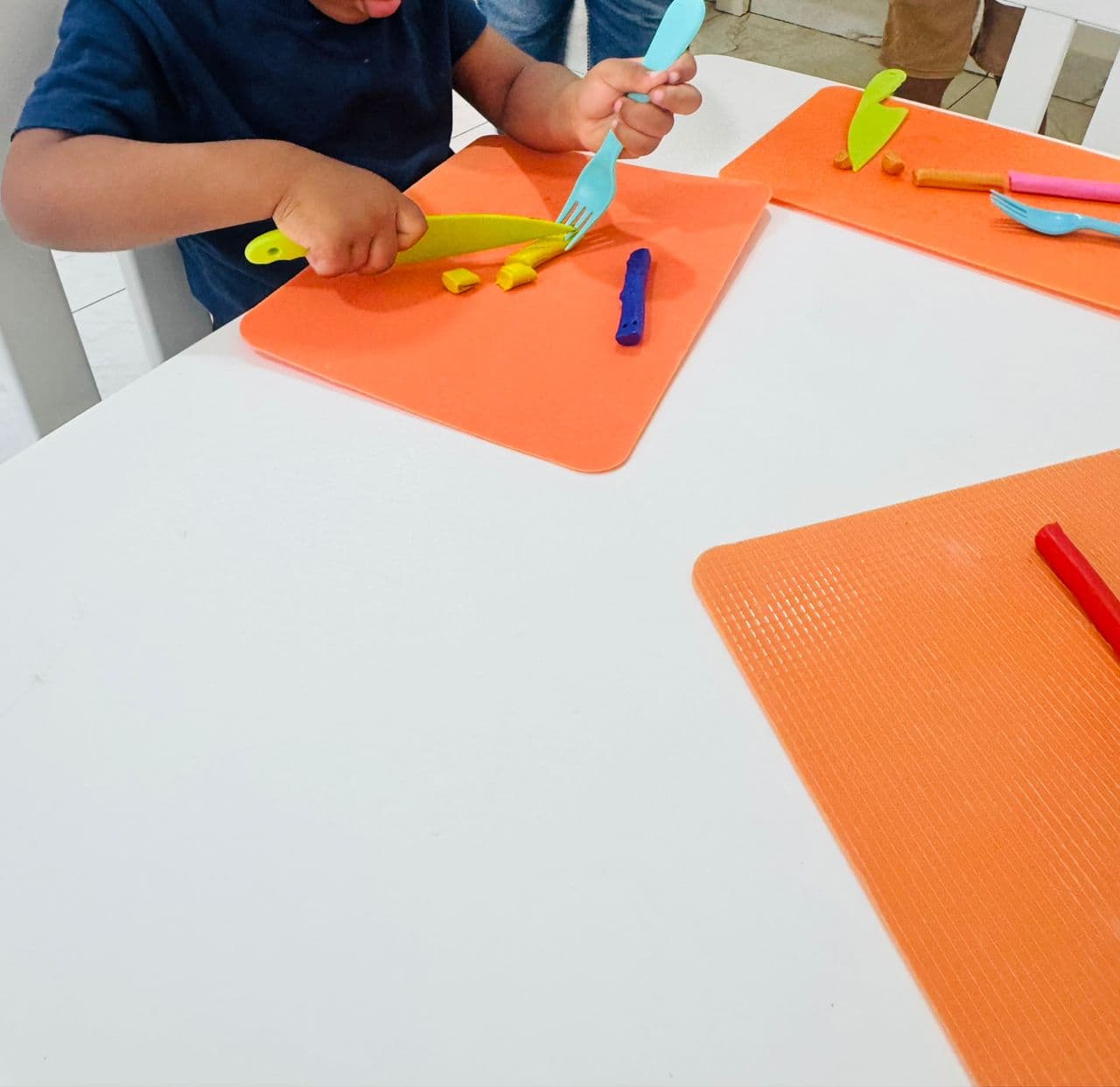
Struggle Is Where Learning Happens
As parents, educators, and caregivers, our instinct is often to help. We tie the shoelaces, zip the jacket, pour the water, solve the puzzle, and carry the backpack. We do these things because we love our children and want to make life easier for them.
But what if constantly making things easier is actually making it harder for them in the long run?
One of the most important lessons children need to learn is that they are capable of doing hard things. The only way they learn this is by experiencing challenges, making mistakes, and working through age-appropriate struggles on their own.
Allowing children to struggle does not mean abandoning them or setting them up for failure. It means resisting the urge to step in too quickly. It means giving them the opportunity to think, try, fail, adjust, and eventually succeed.
Think about how children learn to walk. No parent expects a baby to stand up and walk perfectly on the first try. We understand that falling is part of the process. In fact, if a baby never fell, they would never learn how to balance. Yet as children grow older, we often become less comfortable with struggle. We rush to help when they are frustrated, fix problems before they have a chance to solve them, and remove obstacles that could have become valuable learning experiences.
Learning happens when a child encounters a challenge that is just difficult enough to require effort but not so difficult that it becomes overwhelming. Educational psychologists call this the "zone of proximal development" — the space where children can succeed with persistence, practice, and a little support. Without challenge, there is no growth.
Many people believe confidence comes from praise. While encouragement is important, true confidence comes from competence. A child becomes confident in pouring water because they have poured water many times. A child becomes confident in climbing because they have climbed, fallen, adjusted, and tried again. A child becomes confident in solving problems because they have solved problems before.
When adults constantly intervene, children may receive the message that they are not capable of handling things independently. On the other hand, when children successfully navigate challenges, they develop a powerful internal belief: "I can do this." This belief becomes the foundation for resilience, independence, and self-esteem.
Many adults view frustration as something to avoid. In reality, frustration is a normal and necessary part of learning. When children are learning a new skill, frustration signals that their brains are working. They are making connections, testing strategies, and figuring things out. If we immediately remove every source of frustration, we unintentionally rob children of opportunities to develop patience, persistence, and problem-solving skills.
Instead of rushing to solve the problem, try acknowledging the feeling: "I can see this is really hard." "You seem frustrated." "You're working so hard on that." These responses validate the child's emotions without taking over the task.
Executive function skills are the brain's management system. They include planning, attention, working memory, self-control, flexible thinking, and problem-solving. These skills are critical for success in school and life. The good news is that executive function skills develop through practice. When a child figures out how to put on their shoes, build a tower, complete a puzzle, organize materials, or follow a multi-step instruction, they are strengthening these essential brain skills.
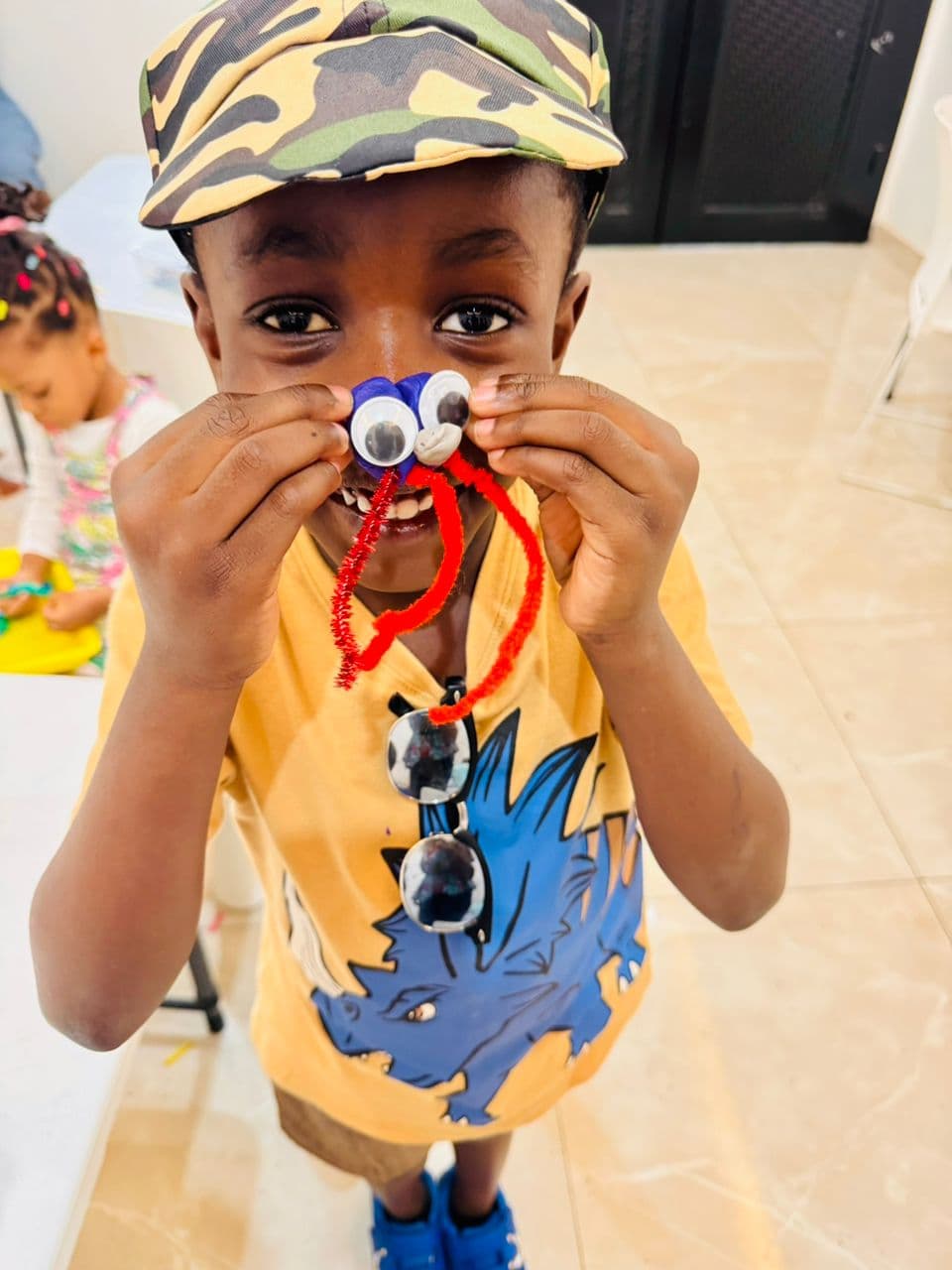
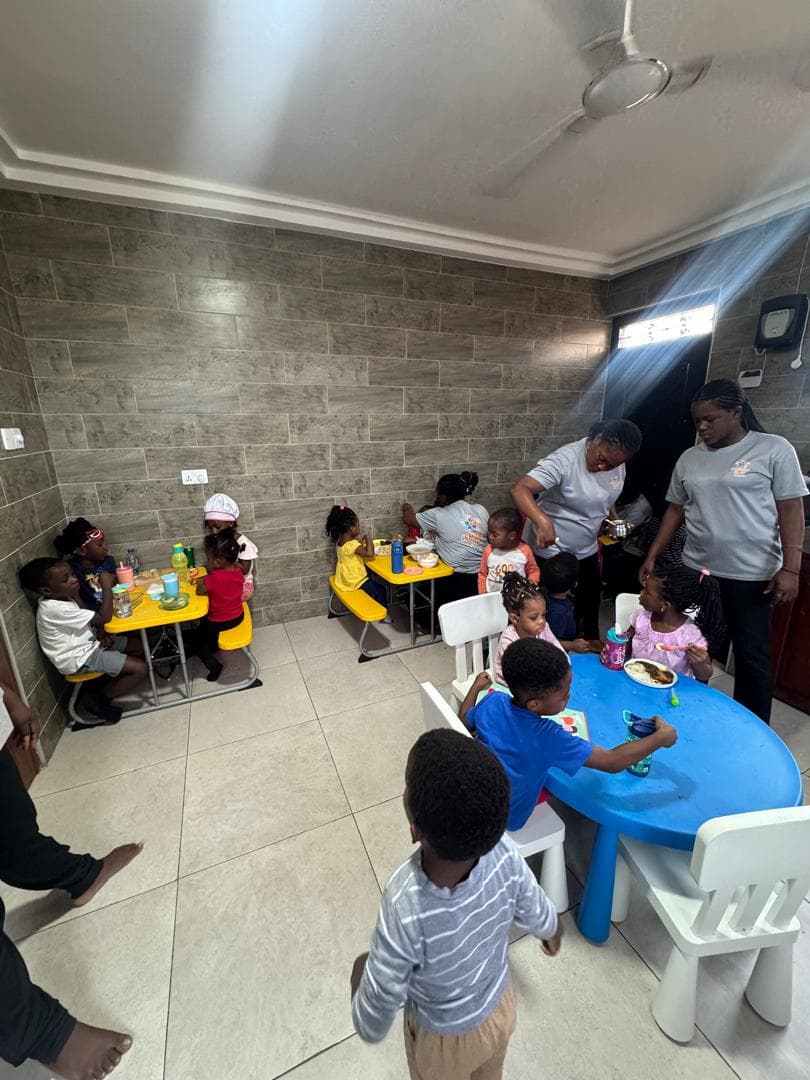
Many parents are surprised by how capable young children really are. Toddlers can help tidy up toys. Preschoolers can help set the table. Young children can carry their own bags, put away their belongings, and participate in simple household routines. These tasks may take longer than doing them ourselves. Sometimes they will be messy. Sometimes they will be imperfect. That is okay. The goal is not perfection. The goal is participation.
Children who are given opportunities to overcome challenges often develop greater resilience, better problem-solving skills, stronger emotional regulation, increased independence, higher self-confidence, improved perseverance, and greater adaptability. These qualities are far more valuable than completing a task quickly or perfectly.
Every time we allow a child to struggle through an age-appropriate challenge, we communicate a powerful message: "I believe in you." Not because we know they will succeed immediately, but because we know they are capable of learning. Children do not become resilient by avoiding difficulty. They become resilient by experiencing difficulty and discovering that they can overcome it.
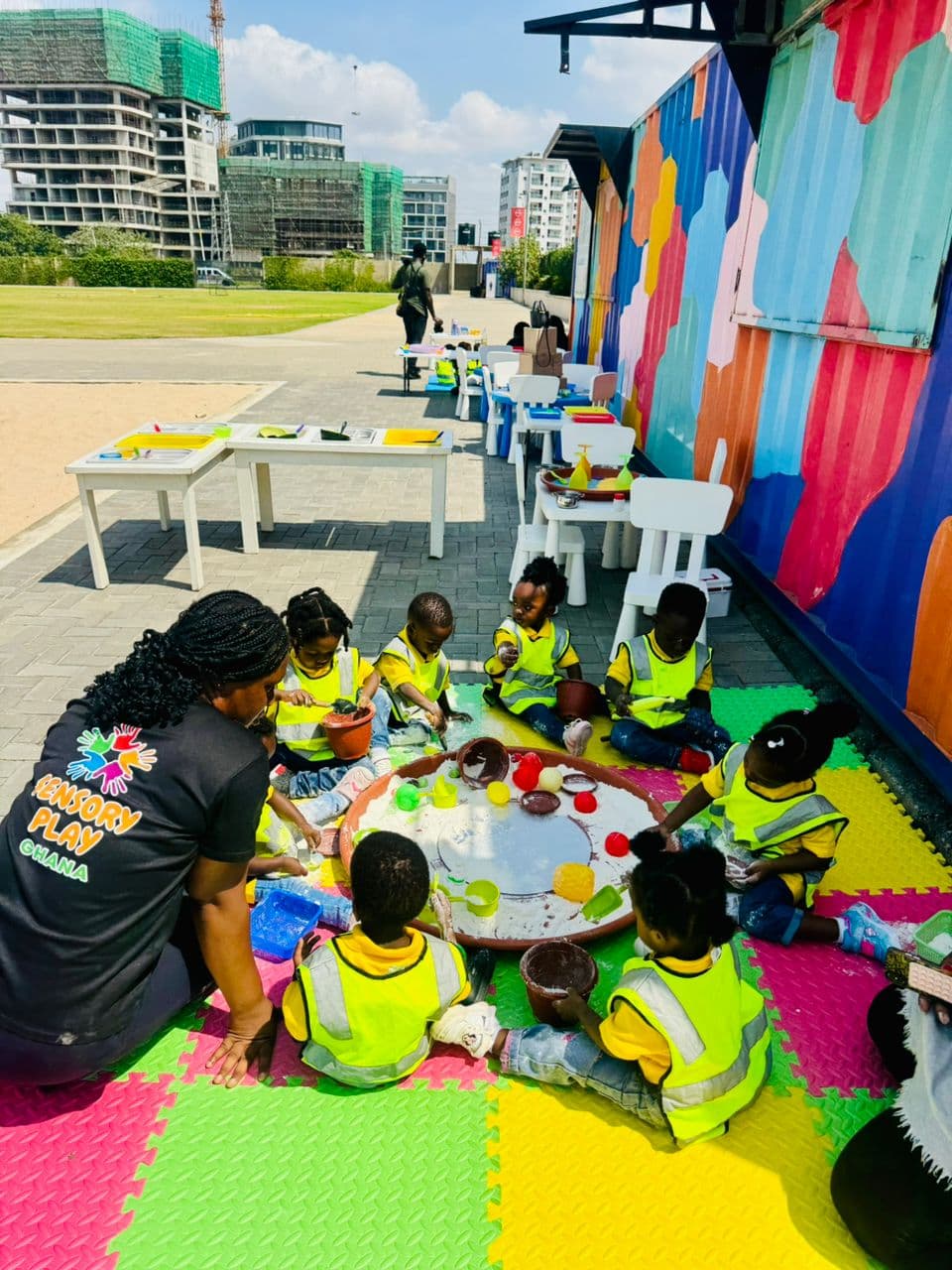
At Sensory Play Ghana, we believe that meaningful play is not about making everything easy. It is about creating opportunities for children to explore, experiment, persevere, and grow. Because every challenge a child overcomes becomes evidence of their own capability — and that is a lesson that lasts a lifetime.