Choosing Toys That Actually Support Your Child's Development
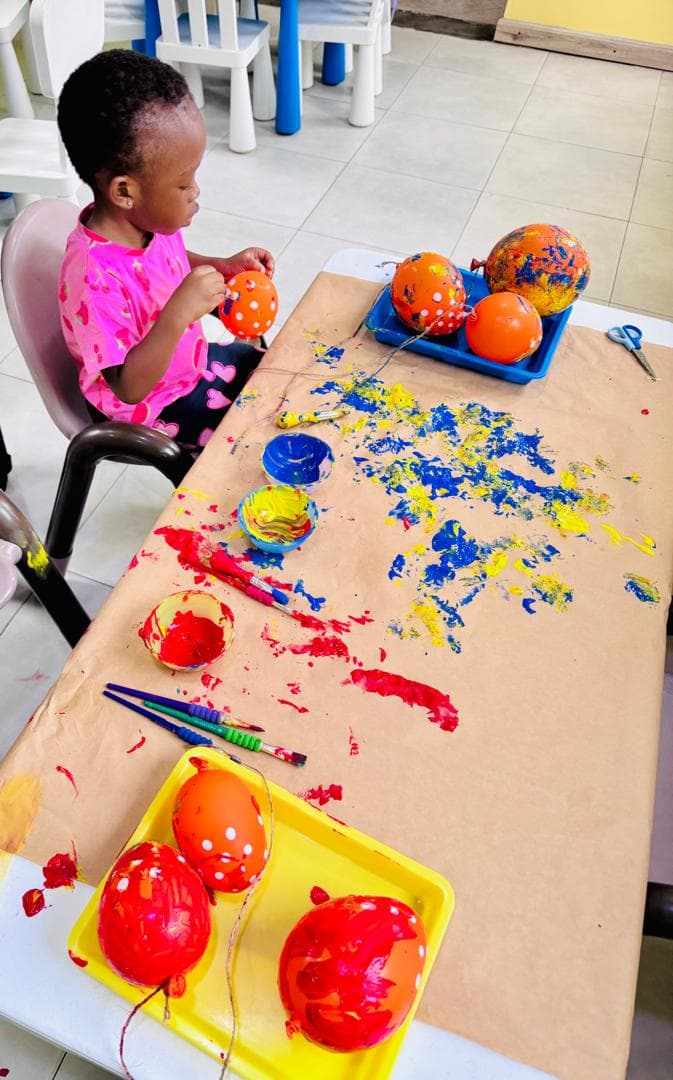
The Best Toys Invite Participation
Walk into any toy shop and you will find hundreds of colourful options competing for your child's attention. Many toys promise to make children smarter, improve learning, or keep them entertained for hours. However, the most valuable toys are not always the ones with the most lights, sounds, or features.
The best toys are those that encourage children to think, create, explore, problem-solve, communicate, and develop independence. A good toy does not simply entertain a child — it invites them to participate.
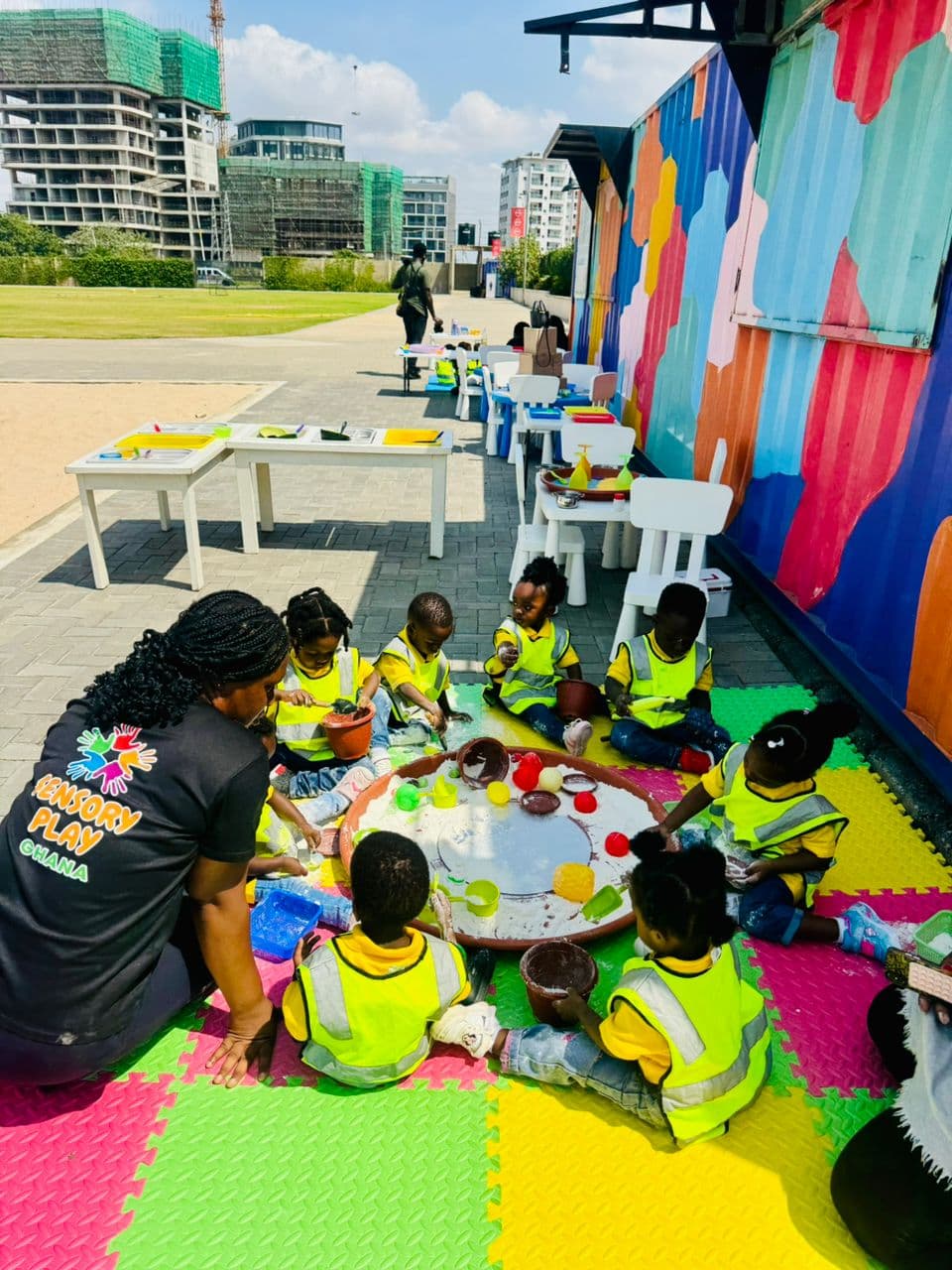
At Sensory Play Ghana, we believe toys should be tools for exploration. The goal is not to have more toys, but to choose toys that support meaningful learning through play.
A developmentally supportive toy usually encourages creativity, allows children to use their imagination, can be played with in different ways, requires active participation, supports problem-solving, encourages movement and exploration, and can grow with the child as their skills develop. Researchers refer to these as open-ended toys — toys that do not have only one correct way to play. For example, a cardboard box can become a house, a car, a shop, a robot, or a hiding place. The child creates the experience rather than simply following instructions.
Many modern toys are designed to entertain children through buttons, sounds, flashing lights, and programmed responses. These toys can be enjoyable, but research suggests that when toys do most of the work, children may have fewer opportunities to practise creativity, language, and problem-solving. A child playing with a talking toy may press a button and receive an answer. A child playing with blocks must decide what to build, how to make it stand, and how to solve the problem when it falls — the second experience requires more active thinking. The American Academy of Pediatrics highlights the importance of play that is child-directed, interactive, and imaginative because it supports healthy development across cognitive, social, emotional, and physical areas.
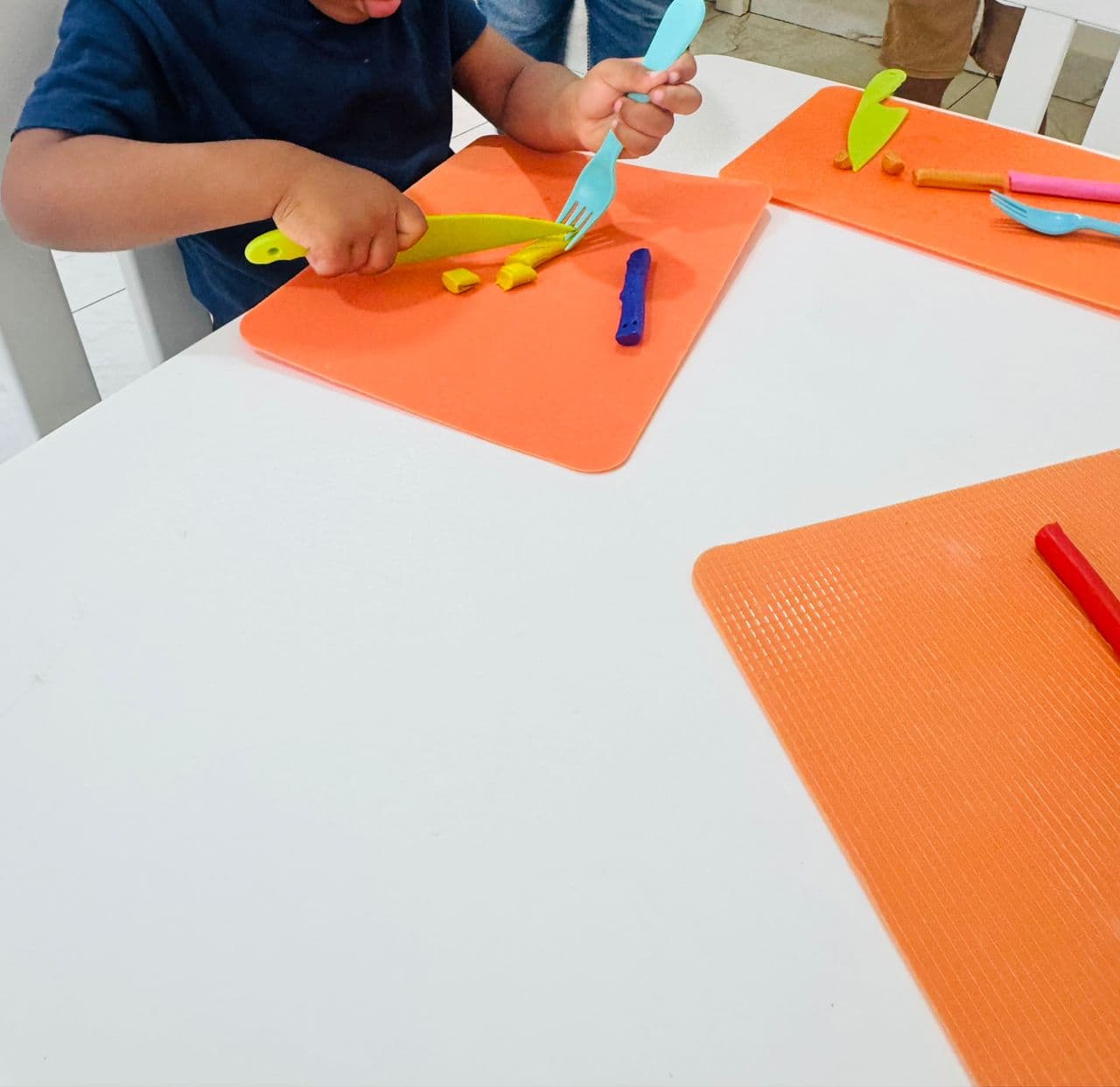
Toys for fine motor skills — puzzles, building blocks, child-safe scissors, threading beads, art materials, drawing tools, and scooping and pouring activities — strengthen the hand muscles essential for writing, dressing, feeding, and everyday independence.
Toys for language development are often simple: books, dolls and stuffed animals, pretend kitchen sets, doctor kits, and small-world play sets. Pretend play encourages children to create stories, practise conversations, develop vocabulary, and understand social situations. When parents join the play and ask questions such as "What is happening here?" or "What happens next?", they help expand their child's language skills.
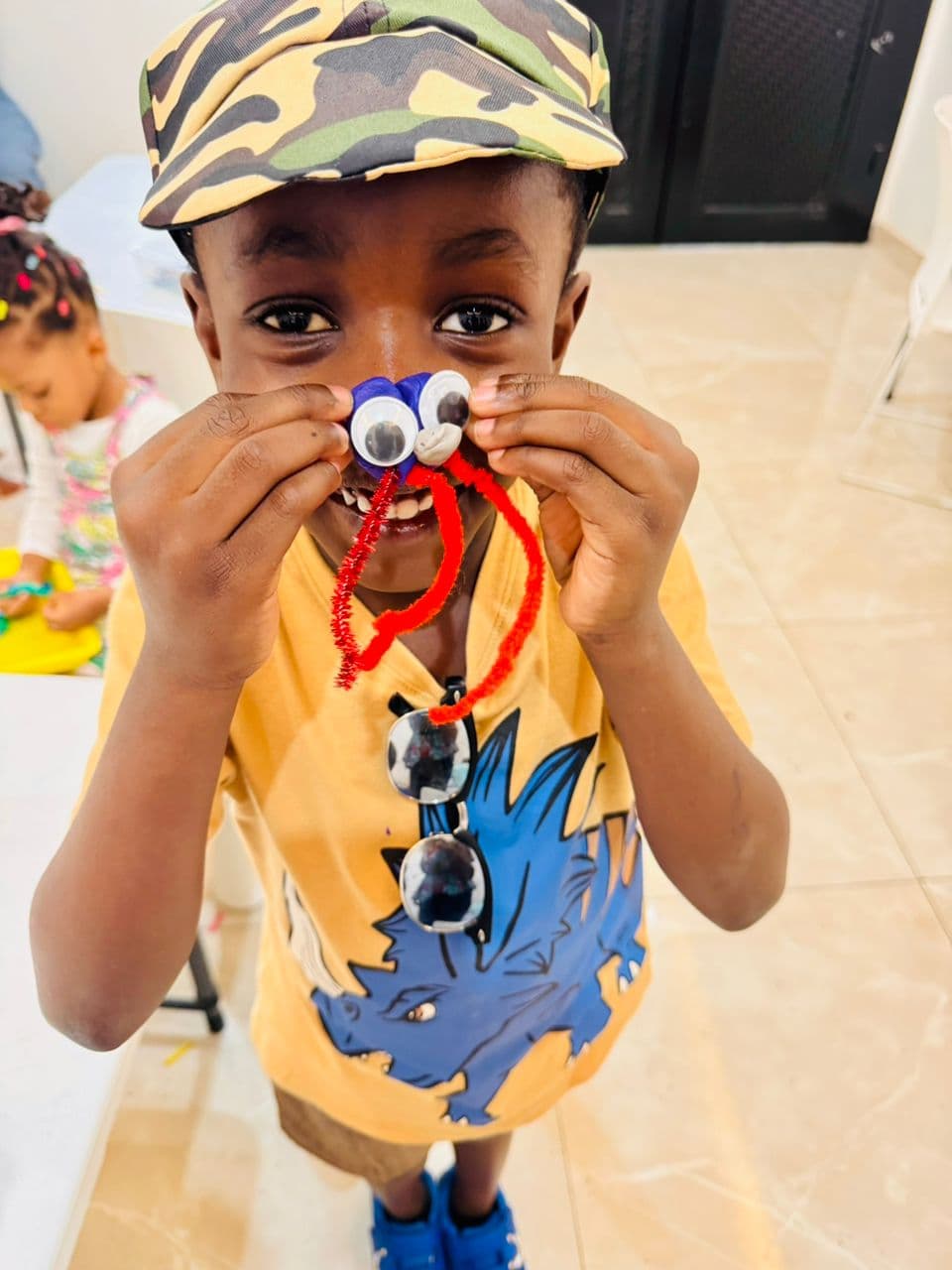
Toys for creativity and imagination — paints, crayons, building materials, dress-up clothes, musical instruments, and loose parts such as boxes and fabric pieces — have no single "correct" outcome, so the child becomes the creator. This builds confidence, flexible thinking, and problem-solving skills.
Toys for sensory development — playdough, sand tools, water play equipment, sensory bins, musical instruments, textured materials, and balance equipment — help children explore different textures, sounds, movements, and sensations, supporting body awareness, attention, coordination, and emotional regulation. For children who experience sensory differences, toys can also be adapted to provide calming or organising experiences.
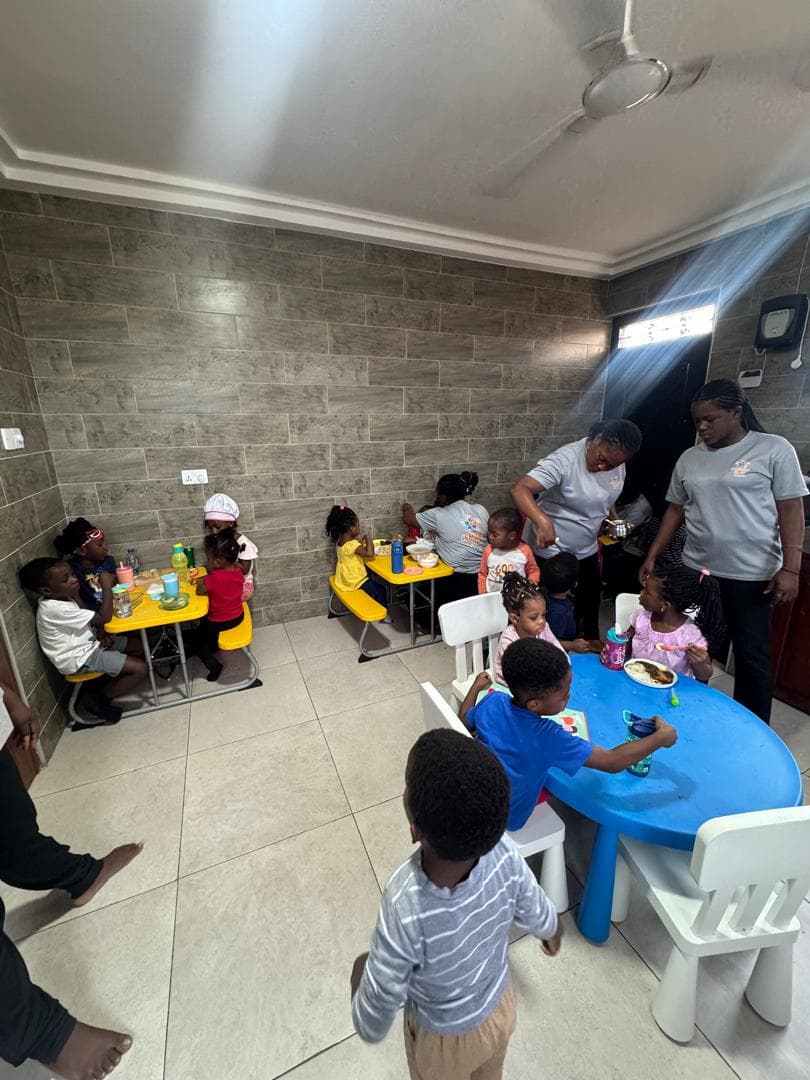
Some of the most valuable "toys" are those that build independence and life skills: child-sized cleaning tools, pretend cooking equipment, laundry play activities, tool sets, and gardening activities. These allow children to practise real-world skills while developing confidence and responsibility.
Age matters when choosing toys. Ages 1–2 should focus on exploration, movement, cause and effect, and sensory experiences, with stacking cups, large blocks, simple puzzles, push-and-pull toys, and musical instruments. Ages 2–3 should focus on imagination, independence, and language, with playdough, pretend kitchen items, dolls, simple construction toys, and art supplies. Ages 3–4 should focus on problem-solving, creativity, and social play, with more complex puzzles, building sets, role-play materials, board games, and science exploration kits. Ages 4–6 should focus on planning, collaboration, and advanced creativity, with construction sets, strategy games, craft materials, science experiments, and creative writing tools.
A toy alone does not create learning — the interaction around the toy matters. Research shows that responsive interactions between children and adults are one of the strongest drivers of early development. Instead of asking "What toy should I buy?", consider asking "What opportunities does this toy create?" A simple set of blocks can become a lesson in maths, engineering, storytelling, and teamwork when an adult joins the child's play.
Having too many toys can sometimes overwhelm children and reduce focused engagement. A smaller selection of carefully chosen toys allows children to explore more deeply, become more creative, develop longer attention spans, and use imagination more often. Rotating toys every few weeks can make familiar toys feel new again while encouraging deeper play.
Children develop differently, and toys should be chosen based on the individual child. For some children, helpful toys may support communication, sensory regulation, fine motor development, attention, social interaction, or emotional expression. The best toy is one that matches the child's interests, abilities, and developmental goals, not simply their age.
The best toys are not necessarily the newest, most expensive, or most technologically advanced. The best toys are the ones that encourage children to imagine, explore, create, solve problems, communicate, and build independence. A child does not need a room full of toys to learn — they need meaningful opportunities to play. At Sensory Play Ghana, we believe play is a powerful pathway to learning. Through carefully selected activities and environments, we help children develop confidence, curiosity, independence, and the skills they need for life.
References: American Academy of Pediatrics (2018), The Power of Play: A Pediatric Role in Enhancing Development in Young Children, Pediatrics, 142(3); Ginsburg, K. R. (2007), The Importance of Play in Promoting Healthy Child Development and Maintaining Strong Parent–Child Bonds, Pediatrics, 119(1), 182–191; Zosh, J. M., Hopkins, E. J., Jensen, H., et al. (2018), Accessing the Inaccessible: Redefining Play as a Spectrum, Frontiers in Psychology, 9, 1124; Hirsh-Pasek, K., Golinkoff, R. M., Berk, L. E., & Singer, D. G. (2009), A Mandate for Playful Learning in Preschool, Oxford University Press; UNICEF (2018), Learning Through Play: Strengthening Learning Through Play in Early Childhood Education Programmes; National Association for the Education of Young Children (NAEYC) (2020), Developmentally Appropriate Practice Position Statement.