Preschool Should Be About Play: What Europe and America Can Teach Us About Early Childhood Education
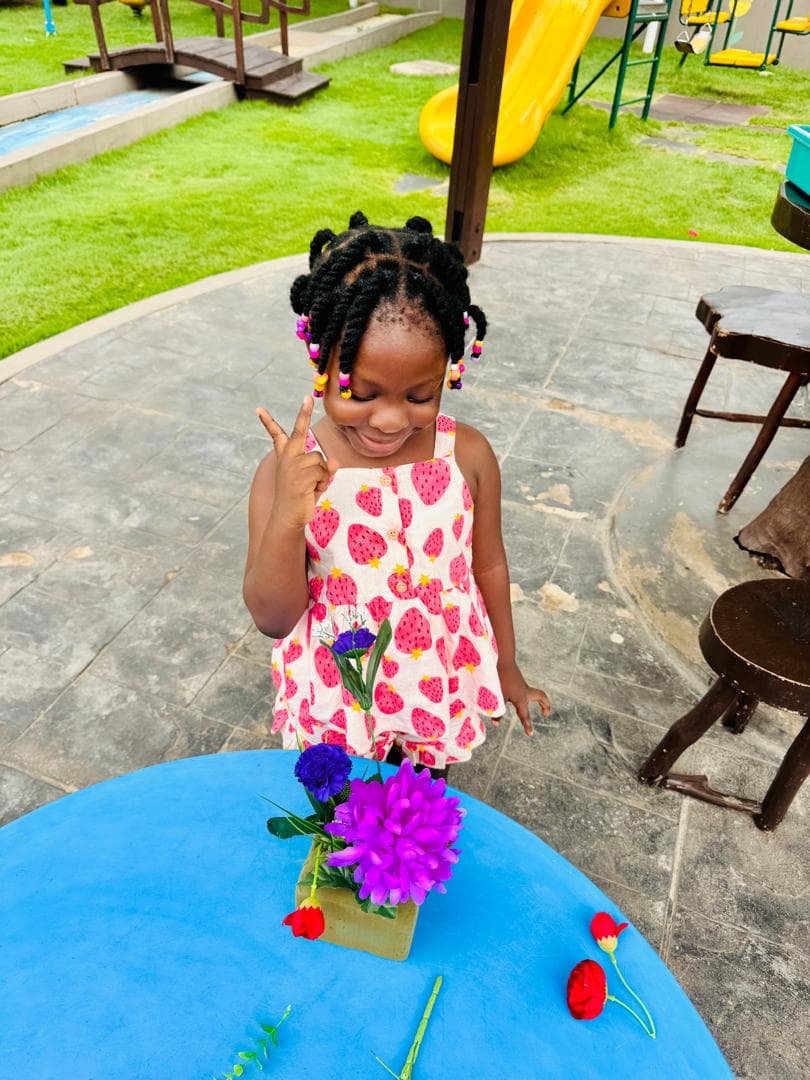
Learning Through Exploration, Not Worksheets
When many parents hear the word preschool, they often imagine children sitting at desks, writing letters, memorising numbers, and completing worksheets. However, in many high-performing education systems around the world, preschool looks very different.
In countries across Europe and in many parts of the United States, early childhood education is built around a simple idea: young children learn best through play. Play is not viewed as a break from learning. Play is the method through which young children develop the skills they need for future academic success, emotional wellbeing, independence, and social confidence.
Research from organisations including UNICEF, the American Academy of Pediatrics, and early childhood researchers consistently supports play-based, child-centred learning as a foundation for development.
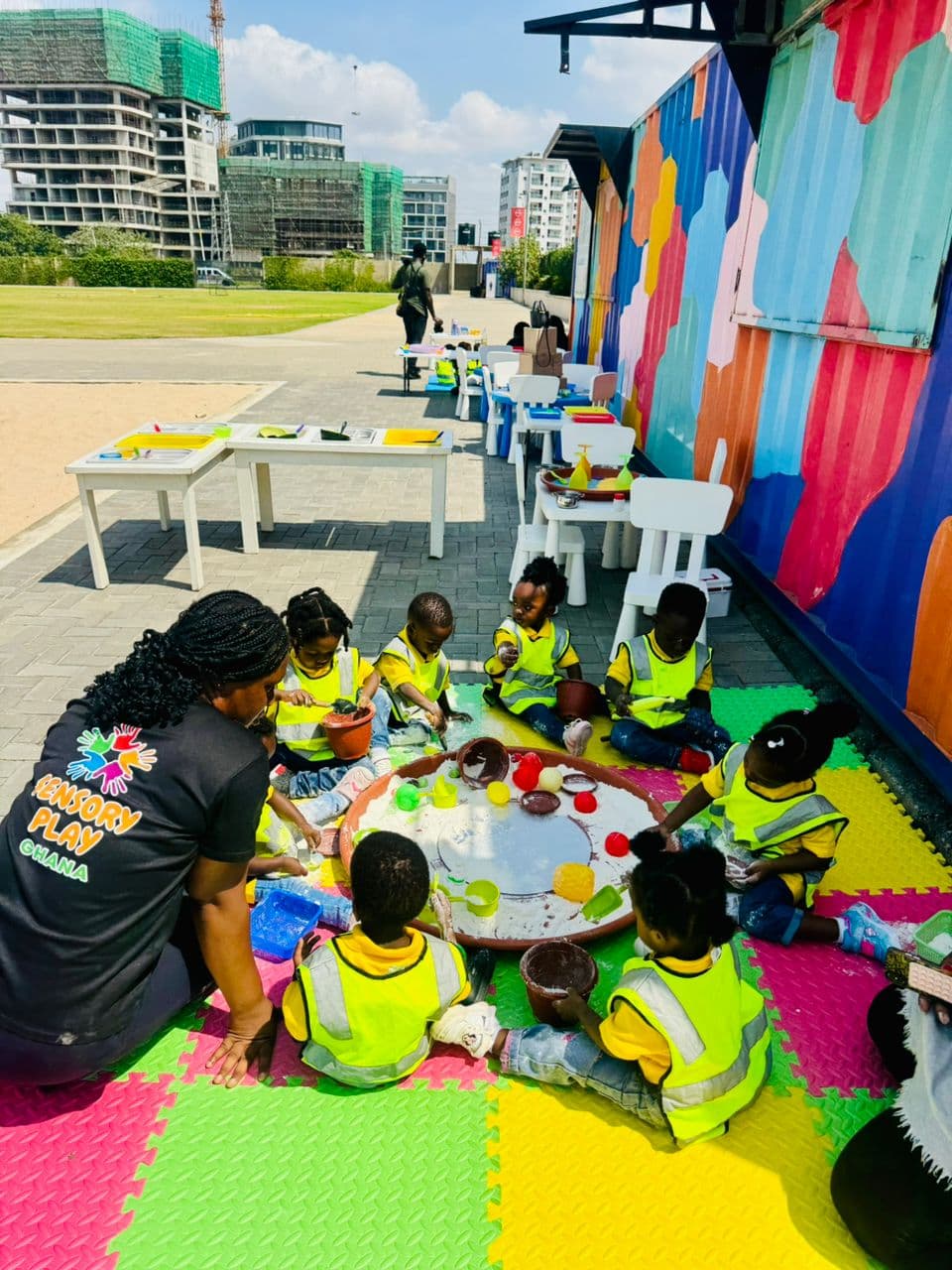
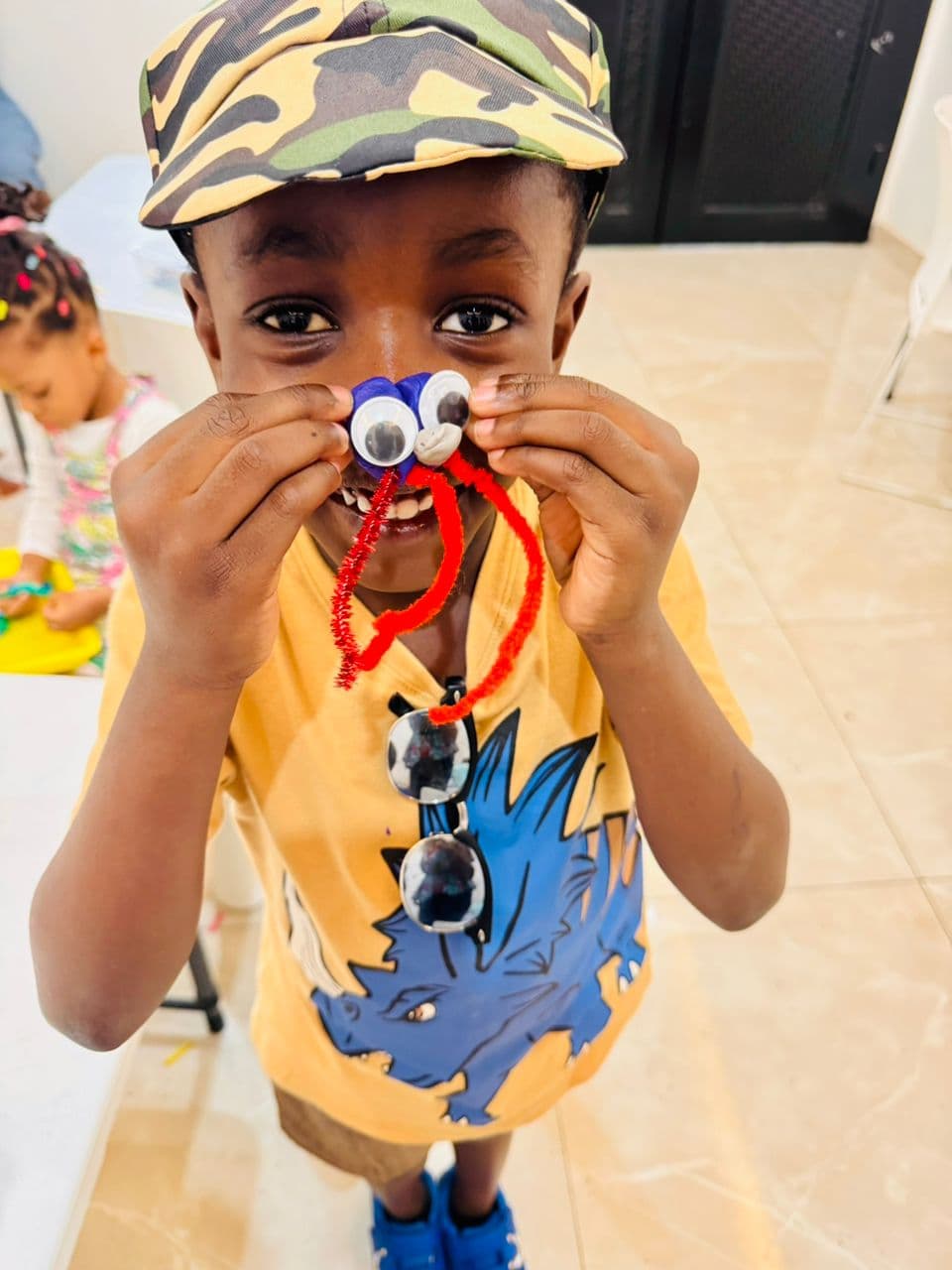
A play-based preschool is not a place where children simply play all day without structure. High-quality play-based programmes are carefully designed environments where children learn through exploration, imagination, hands-on activities, problem-solving, movement, social interaction, creative expression, and real-life experiences. A child playing with blocks is learning early mathematics, engineering concepts, problem-solving, planning, and persistence. A child engaging in pretend play is developing language skills, emotional understanding, social skills, and creativity. A child participating in messy play is developing fine motor skills, scientific thinking, sensory processing, and independence.
UNICEF describes play as one of the most important ways young children gain knowledge and essential life skills, highlighting that effective early learning environments use exploration, hands-on activities, and child-centred approaches.
Many European countries have embraced play-based early childhood education. In Finland, children typically begin formal compulsory schooling at age 7, and before that, early childhood education focuses heavily on play, outdoor learning, social skills, independence, creativity, and emotional development. In Sweden, preschool (förskola) is designed around children's development rather than early academic pressure, with children commonly attending from around age 1–5 and compulsory school beginning around age 6–7. Germany has a strong kindergarten tradition, with children commonly attending from around age 3 until school begins around age 6, focusing on social development, independence, creativity, and learning through everyday experiences.
In the United States, preschool is generally for children aged 3–5, with preschool starting around age 3 or 4, kindergarten around age 5, and formal elementary education around age 6. Many high-quality American preschool programmes use play-based learning, combining structured activities with child-led exploration — story time, art, sensory activities, outdoor play, building activities, dramatic play, science experiments, and music and movement. The American Academy of Pediatrics has highlighted that play supports healthy child development by strengthening cognitive, physical, social, and emotional skills.
Ghana has made significant progress in recognising the importance of early childhood education. The Ghana Education Service has introduced kindergarten as part of basic education, with Kindergarten 1 and Kindergarten 2 typically serving children around ages 4 and 5 before they enter primary school. Many private schools begin earlier, with nursery programmes accepting children from around age 2 or 3. Ghana's early childhood curriculum also recognises the importance of play-based learning, and recent initiatives have focused on strengthening play-based kindergarten approaches and training teachers to use more child-centred methods. However, there can still be a difference between policy and what happens in some classrooms, where preschool can become heavily focused on writing before children are developmentally ready, memorisation, worksheets, copying from the board, and academic performance at very young ages.
A common misconception is that if children start reading and writing earlier, they will always perform better. Research shows that early academic exposure alone does not guarantee stronger long-term outcomes. The early years are when children need to develop language, curiosity, confidence, self-regulation, problem-solving, social skills, and independence — the foundations that make later academic learning easier. A child who knows how to concentrate, communicate, manage emotions, solve problems, and collaborate is better prepared for school success.
The first five years of life are a critical period for brain development, during which children build neural connections through experiences and interactions. Play supports executive function (focus, impulse control, memory, problem-solving, and emotional management), language development (vocabulary, conversation, storytelling, communication), social development (sharing, negotiation, cooperation, empathy), and creativity and innovation through open-ended play. UNICEF notes that quality early childhood programmes should include responsive interactions, trained educators, meaningful materials, and playful learning approaches.
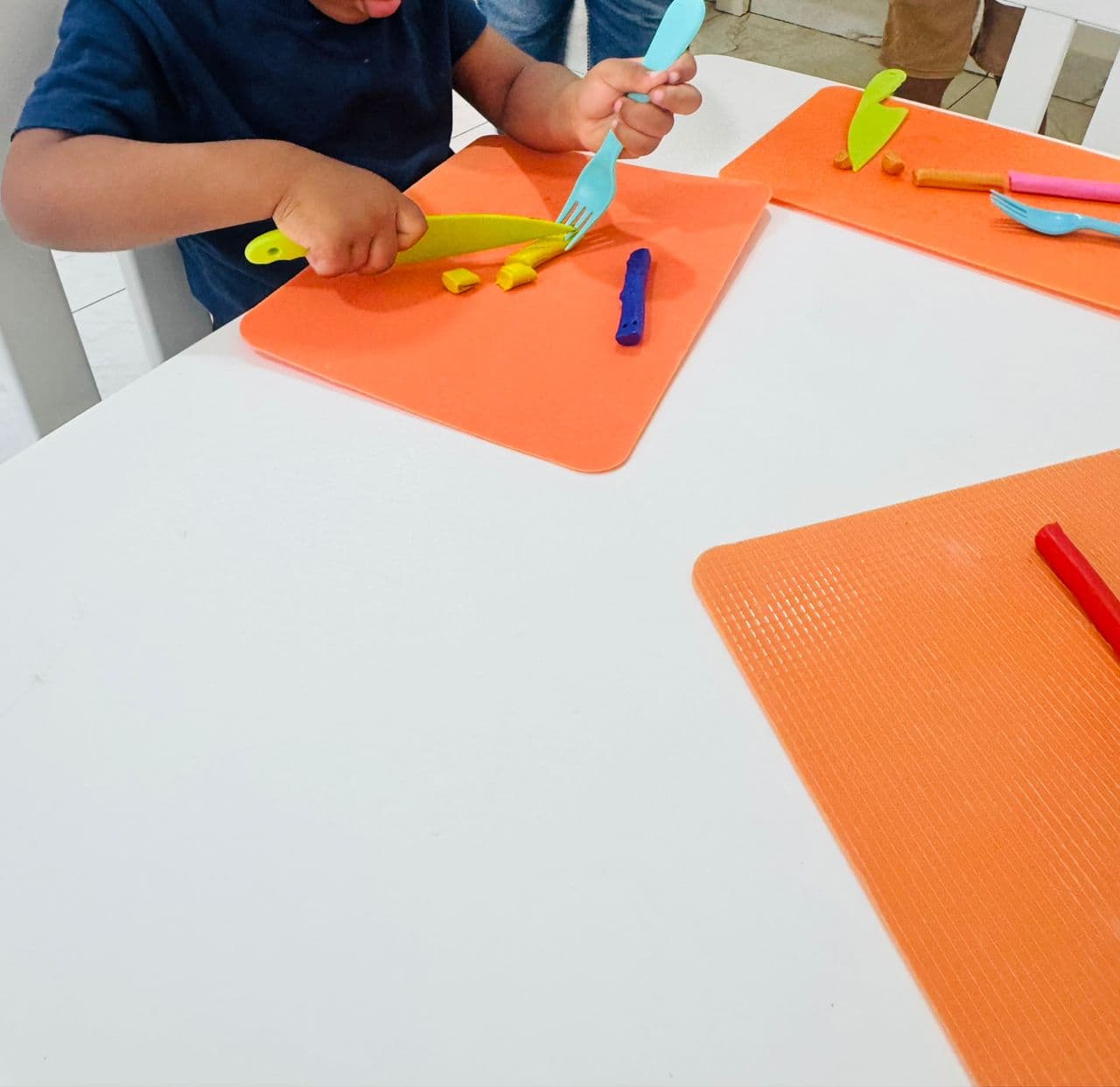
Play does not mean children are not learning. A child mixing colours during painting is learning science. A child pretending to run a shop is learning mathematics and communication. A child building a tower is learning engineering and problem-solving. A child cooking pretend food is learning independence and sequencing. Play is the child's natural way of understanding the world.
Ghana does not need to copy Europe or America completely — every country has its own culture, needs, and challenges. But there are valuable lessons: protect childhood by giving children time to explore, move, create, and imagine; train early childhood educators, since teaching young children requires specialised knowledge of child development; value life skills such as independence, confidence, communication, and emotional skills, not just academic knowledge; and make learning active, since children learn best when they participate rather than simply memorise information.
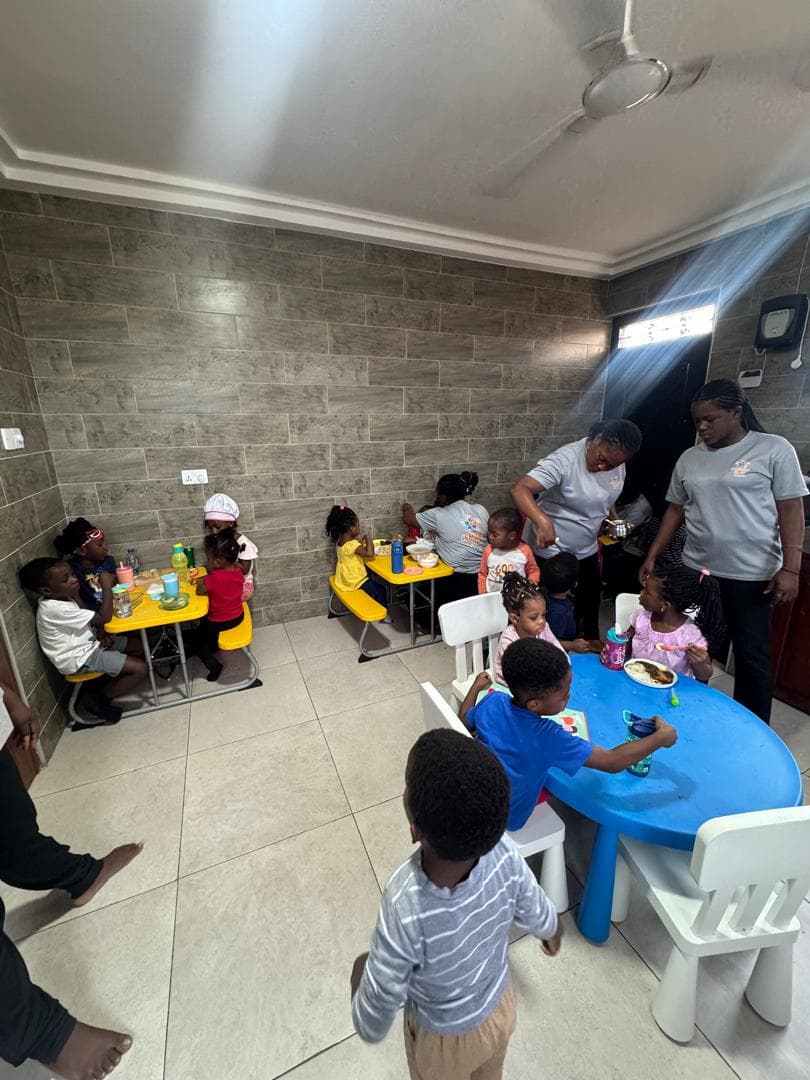
The future of early childhood education in Ghana should not be about choosing between learning and play — the best preschool environments combine both. Children can learn numbers through cooking, literacy through storytelling, science through experiments, social skills through group play, and independence through daily routines. A strong preschool does not ask "How much can we make a child memorise?" It asks "How can we help this child become a confident, curious, capable learner?"
At Sensory Play Ghana, we believe the goal of preschool is not to create children who can do worksheets the earliest. The goal is to nurture children who are curious, confident, independent, and ready to learn for life.
References: UNICEF, Learning Through Play: Strengthening Learning Through Play in Early Childhood Education Programmes; UNICEF, Early Childhood Learning and Preschool Education; UNICEF Data, The Power of Play: A Global Data Story; American Academy of Pediatrics, The Power of Play: A Pediatric Role in Enhancing Development in Young Children, Pediatrics, 2018; National Association for the Education of Young Children (NAEYC), Developmentally Appropriate Practice Position Statement; Ghana Education Service, Early Childhood Education and Kindergarten Play-Based Learning initiatives.