Sensory Play Explained: Why It Matters for Your Child's Development
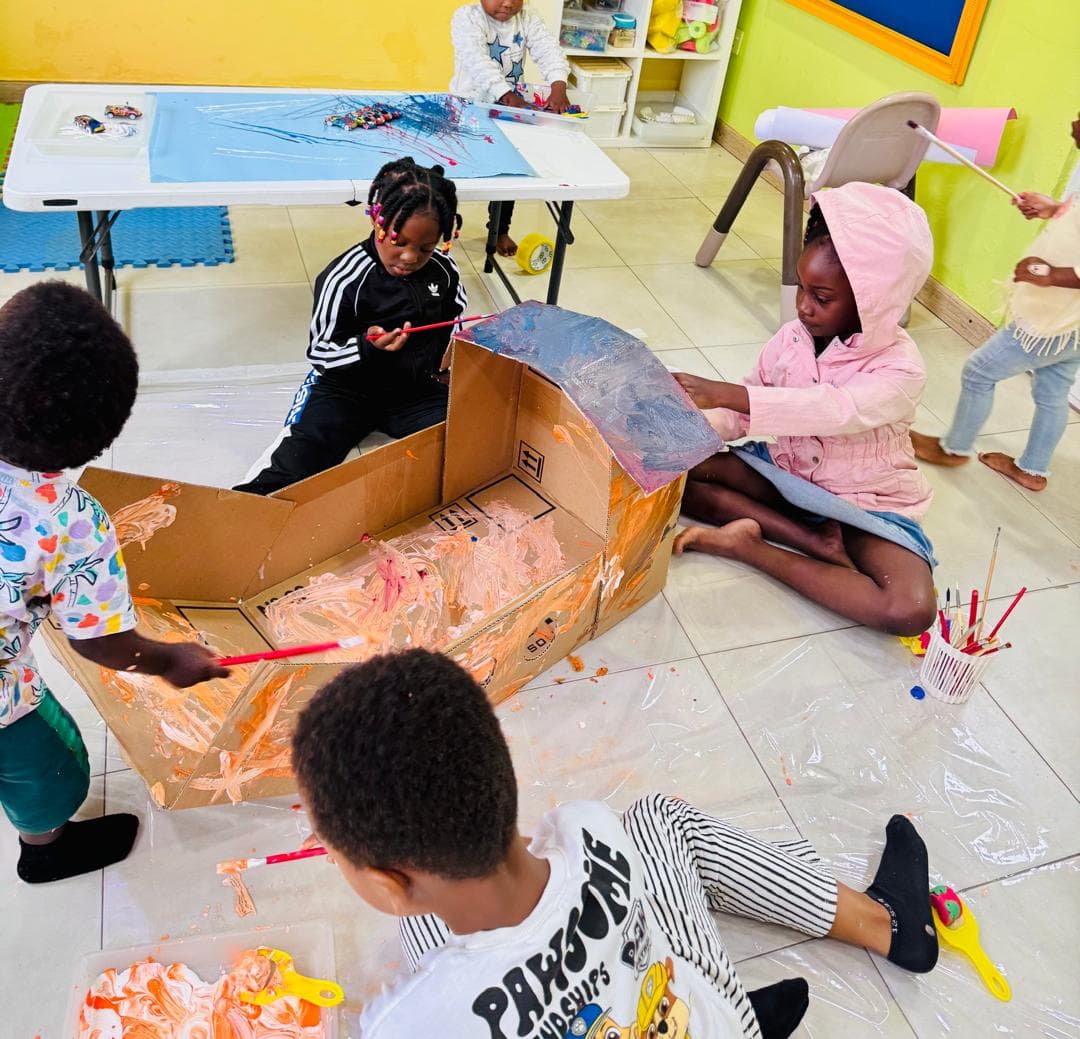
Building Brains Through Sensory Play
When children squish playdough, splash in water, dig through rice, finger-paint, or explore different textures, they are doing far more than simply having fun. They are actively building the foundations for learning, communication, emotional wellbeing, and lifelong skills.
Sensory play engages one or more of the senses: touch, sight, hearing, smell, taste, movement (vestibular sense), body awareness (proprioception), and internal body awareness (interoception). These experiences help children make sense of the world around them while strengthening important neural pathways in the developing brain.
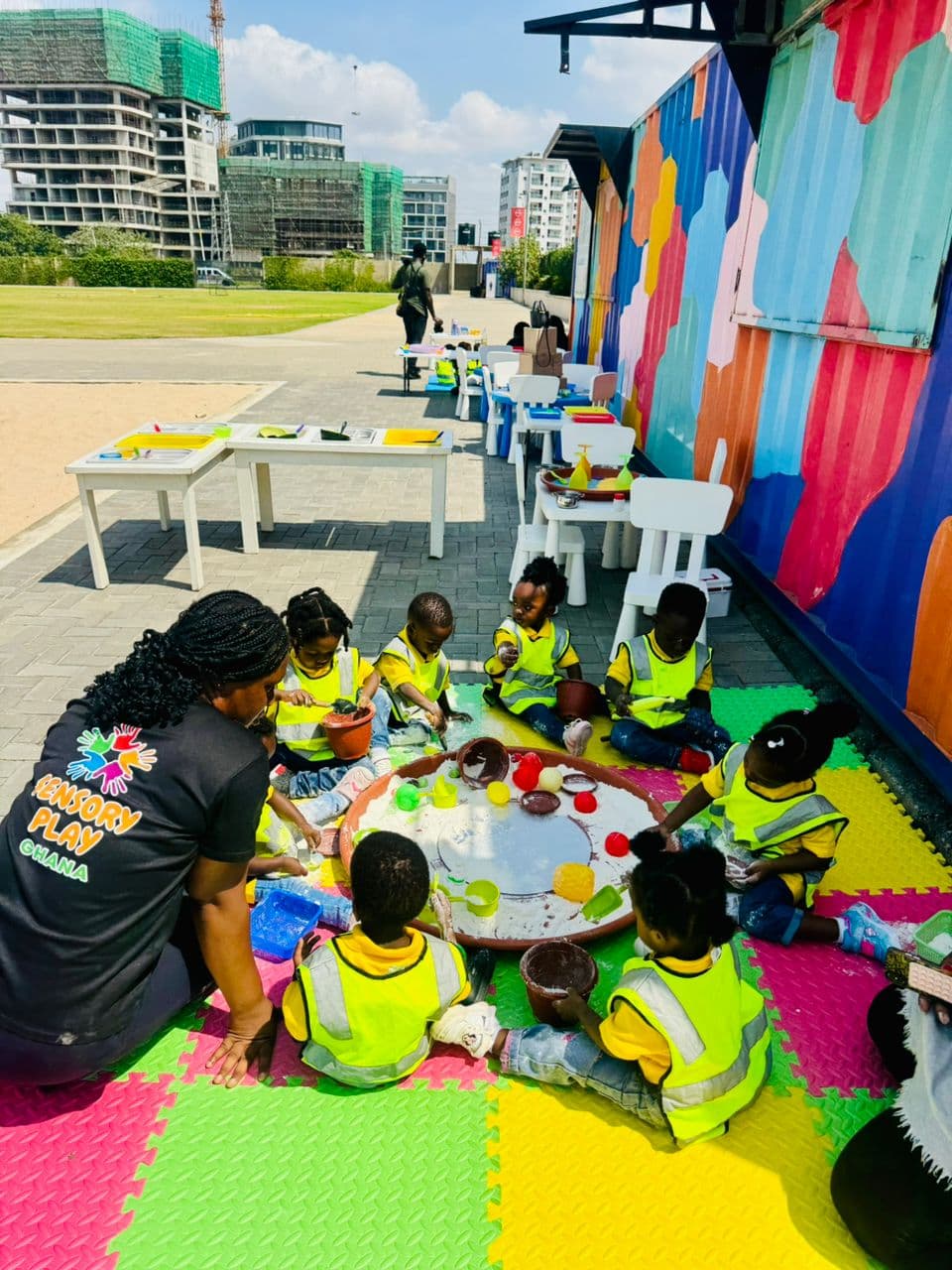
Sensory play is any activity that stimulates a child's senses and encourages them to explore, investigate, and problem-solve. Examples include water play, sand play, playdough, painting, finger painting, slime, nature exploration, sensory bins, ice play, musical activities, bubble play, cooking and baking, scooping and pouring, and messy play. While these activities often appear simple, they support multiple areas of development simultaneously.
From birth to around age five, a child's brain develops at an extraordinary pace. During these early years, millions of neural connections are formed every second as children interact with people and their environment. Every sensory experience provides information that helps strengthen these neural pathways.
According to the Center on the Developing Child at Harvard University, early experiences literally shape the architecture of the developing brain. Repeated, meaningful experiences strengthen neural circuits, while those used less frequently may gradually weaken. Children learn best through active exploration rather than passive observation.
Neuroscience shows that children learn more effectively when several senses are involved at once. For example, a child making playdough is feeling different textures, watching colours mix, smelling ingredients, strengthening hand muscles, following instructions, solving problems, learning new vocabulary, and practising creativity — all at once. Instead of learning one skill, the brain integrates many skills simultaneously. This process supports what neuroscientists call multisensory learning, which improves attention, memory, and understanding.
Sensory play supports cognitive development. During sensory activities, children naturally begin asking questions: why did the ice melt, why does this float, what happens if I add more water? These everyday experiments encourage children to make predictions, observe changes, compare results, test ideas, and understand cause and effect — the same scientific thinking skills they will continue to develop throughout school.
Sensory play strengthens language development. During sensory play, adults naturally introduce rich vocabulary such as smooth, sticky, rough, heavy, light, squishy, soft, hard, melt, float, sink, stretch, pour, and mix. Research consistently shows that children learn vocabulary more effectively when words are paired with hands-on experiences rather than taught in isolation. Conversations during play also encourage turn-taking, questioning, storytelling, and expressive language.
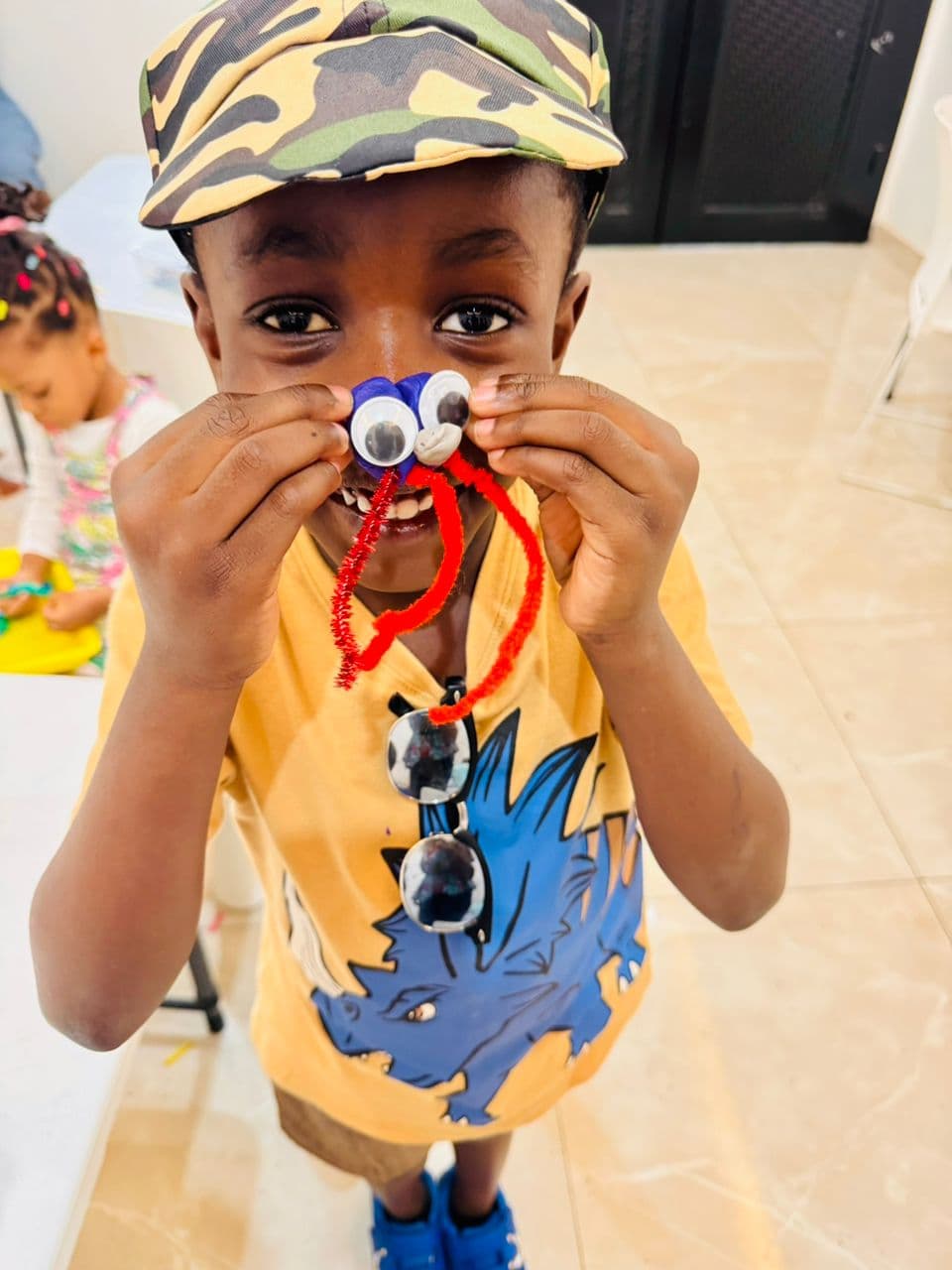
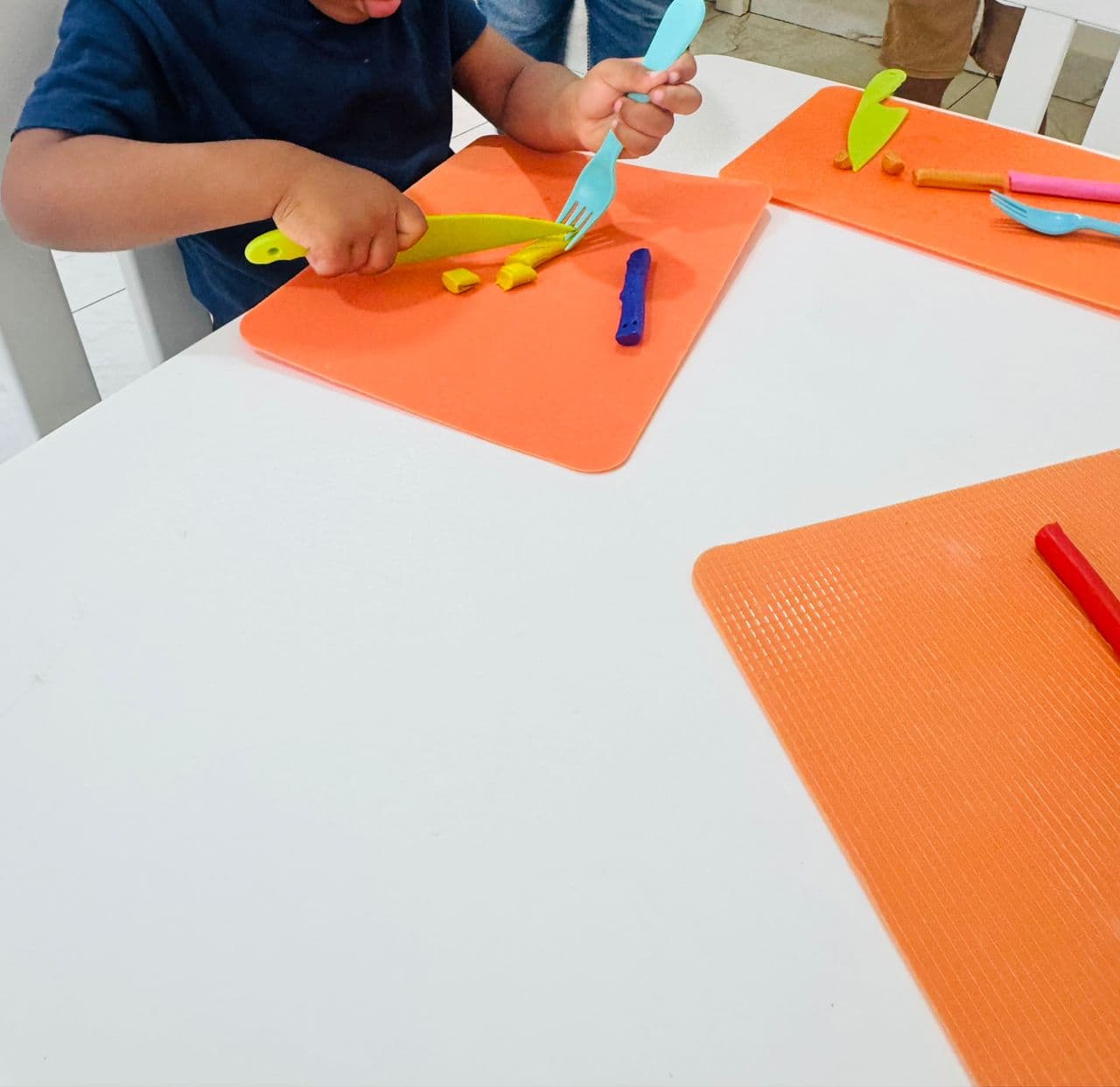
Sensory play develops fine motor skills. Activities such as squeezing playdough, using tweezers, pouring water, threading beads, tearing paper, and picking up small objects strengthen the hand muscles essential for holding a pencil, cutting with scissors, dressing independently, buttoning clothes, using cutlery, brushing teeth, and writing. Strong fine motor skills contribute directly to school readiness.
Sensory play encourages emotional regulation. Sensory experiences can help children feel calm, reduce anxiety, release frustration, improve focus, and regulate their emotions. For some children, repetitive sensory activities such as pouring rice, squeezing playdough, or playing with water provide calming sensory input that helps them feel organised and secure. Not every child responds to the same sensory experiences — some seek more sensory input, while others may find certain sensations overwhelming, so observing a child's preferences helps adults provide activities that are both enjoyable and supportive.
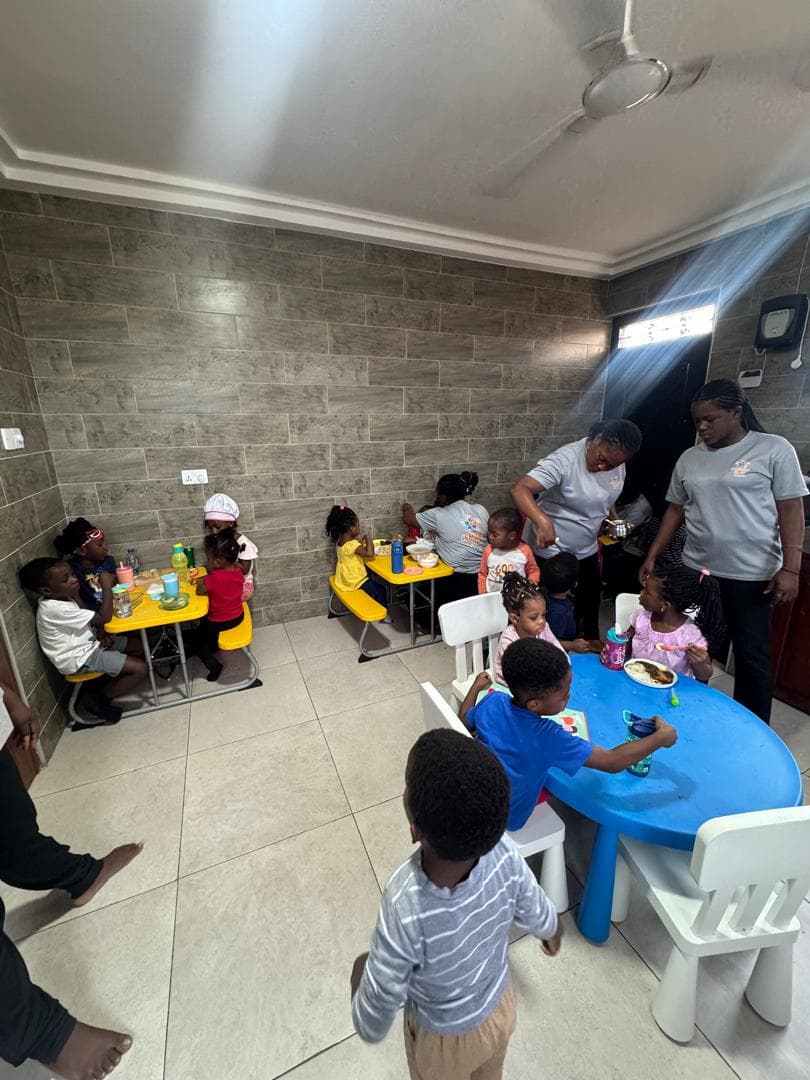
Sensory play supports social skills, encouraging children to share materials, take turns, communicate ideas, cooperate, negotiate, and solve problems together. It also encourages scientific thinking: simple activities introduce concepts such as floating and sinking, chemical reactions, magnetism, states of matter, gravity, absorption, and density. For example, when baking soda and vinegar are mixed, they produce carbon dioxide gas, and as the gas builds it inflates a balloon — children witness a chemical reaction firsthand while developing observation and prediction skills.
Sensory play benefits all children, including those who are autistic, have ADHD, sensory processing differences, or other developmental needs. Appropriately chosen sensory experiences can help some children stay engaged, develop attention, improve body awareness, explore communication, build confidence, and participate in shared play. Sensory preferences vary widely, so activities should always be adapted to each child's individual needs and responses.
You do not need expensive toys to support your child's development. Try rice sensory bins, water pouring stations, homemade playdough, bubble play, finger painting, ice exploration, nature treasure hunts, washing toy animals, scooping pasta, making slime with adult supervision, colour mixing, sand play, or baking together. Often, the richest learning comes from everyday household materials.
Sensory play is not simply about making a mess — it is about building brains. Every scoop, squeeze, splash, pour, and exploration strengthens the foundations for language, movement, emotional wellbeing, scientific thinking, creativity, and lifelong learning. At Sensory Play Ghana, we believe children learn best when they are actively engaged. Through carefully planned sensory experiences, we create opportunities for children to explore, discover, ask questions, and develop confidence in a safe, inclusive environment where every child can thrive.
References: Center on the Developing Child at Harvard University (2021), Brain Architecture; Shonkoff, J. P., & Phillips, D. A. (Eds.) (2000), From Neurons to Neighbourhoods: The Science of Early Childhood Development, National Academies Press; World Health Organization (2020), Nurturing Care for Early Childhood Development; American Academy of Pediatrics (2018), The Power of Play: A Paediatric Role in Enhancing Development in Young Children, Pediatrics, 142(3); Yogman, M., Garner, A., Hutchinson, J., Hirsh-Pasek, K., & Golinkoff, R. M. (2018), Pediatrics, 142(3); UNICEF (2018), Learning Through Play; National Scientific Council on the Developing Child (2007), The Timing and Quality of Early Experiences Combine to Shape Brain Architecture, Harvard University; Ginsburg, K. R. (2007), The Importance of Play in Promoting Healthy Child Development and Maintaining Strong Parent–Child Bonds, Pediatrics, 119(1), 182–191.